
5 min read
Shin guards guide: cloth vs shell, sizing and choosing by sport
Understand cloth versus shell shin guards, instep protection, sizing and how needs differ by sport.
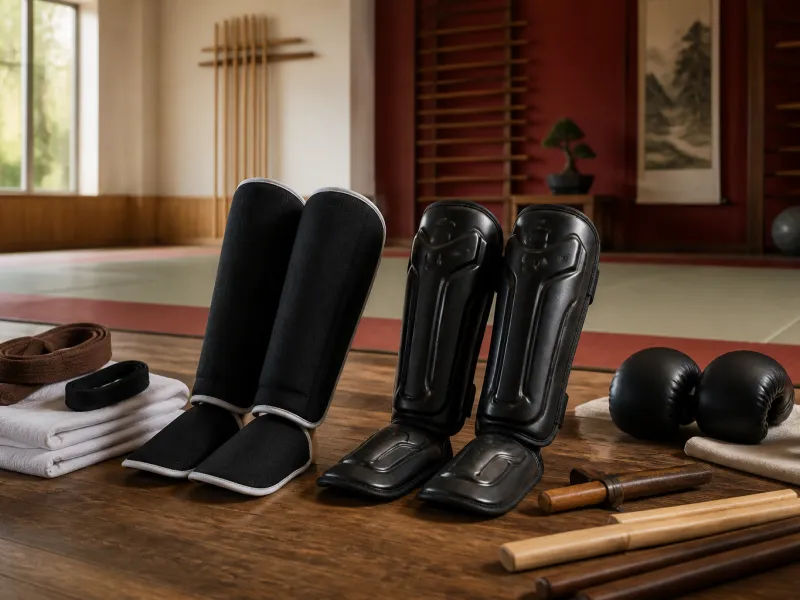
Shin guards protect the lower leg, one of the most exposed targets in kicking based sports such as kickboxing, Muay Thai, karate and MMA. With so many shapes, materials and closure systems available, it helps to understand what actually differs between a lightweight cloth guard used for light sparring and a rigid shelled guard built for harder contact.
This guide compares cloth and shell shin guards, looks at instep protection, gives general sizing advice, and explains how requirements differ a little between kickboxing, Muay Thai, karate and MMA.
01
Cloth versus shell shin guards
Shin guards broadly fall into two families of construction.
| Type | Typical construction | Best suited to |
|---|---|---|
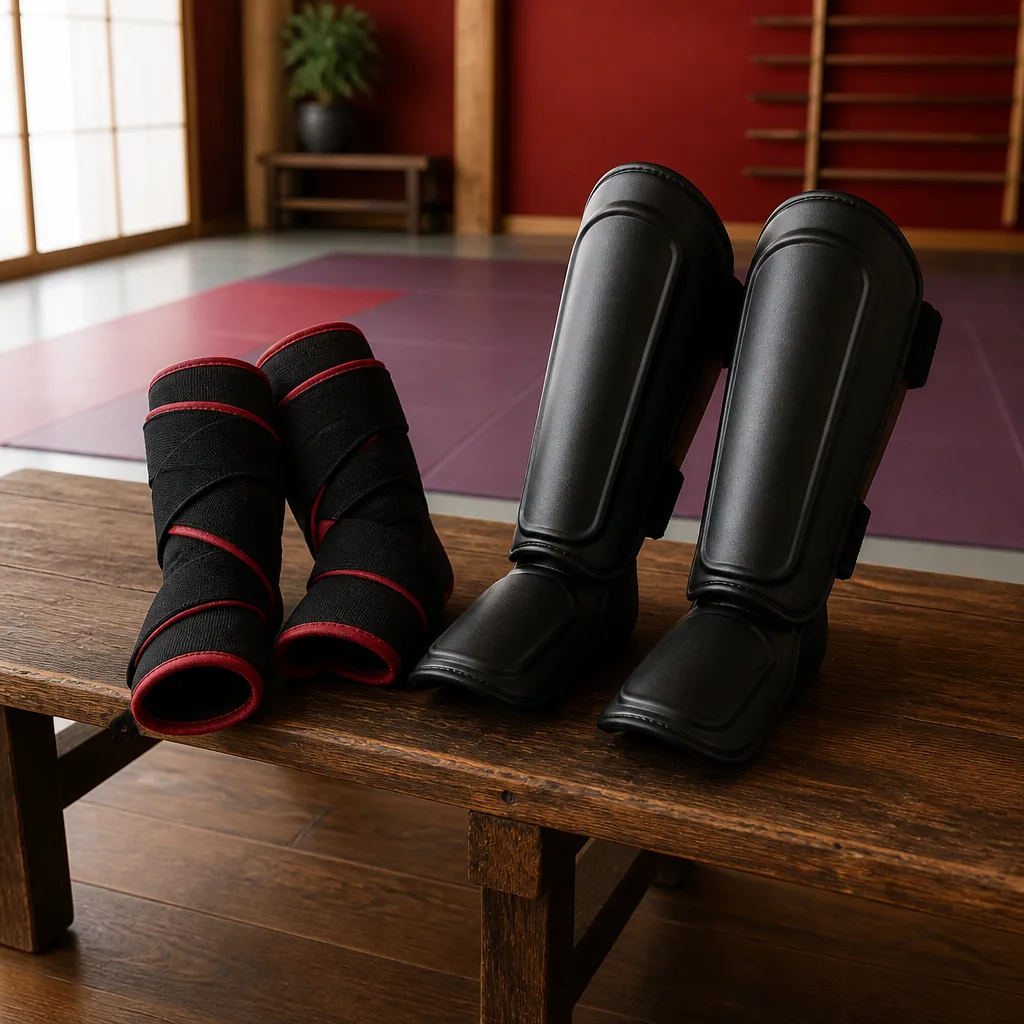
| Cloth or wrap style | foam padding inside a fabric sleeve, often with elastic or wrap closures | light to medium sparring, technical drilling, general fitness classes |
| Shell style | a firmer outer shell, sometimes with a curved profile, over dense foam padding | harder sparring, heavier kicking drills, some competition formats |
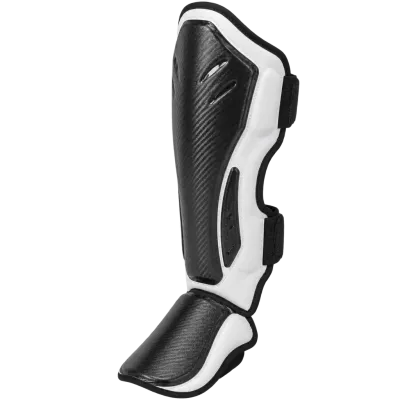
Cloth guards tend to be lighter, more breathable and easier to pack, which suits frequent training and warmer conditions, while shell style guards generally offer more consistent protection under repeated hard impact, at the cost of extra weight and a less flexible fit around the leg.
Some shin guards combine elements of both, using a lighter shell over the most exposed area of the shin bone with softer cloth padding around the sides and calf, aiming to balance protection with breathability and range of motion. As with most training equipment, the right choice depends on the intensity of contact you expect to face and how often you train, rather than one style being universally superior to the other.
 Matching productShin guardsAmazon →
02
Instep protection
Many shin guards extend to cover the top of the foot (the instep), since this area is used to deliver and can also absorb a great deal of impact in roundhouse and other kicking techniques. Instep coverage ranges from a small padded strip to a full moulded foot piece that wraps around the top of the foot and sometimes the ankle. A guard with more instep coverage generally offers more protection for kicking heavy targets, but it can also reduce the natural flex of the foot needed for some footwork, so the right balance depends on the style practised and personal preference.
The instep is also one of the more vulnerable areas of the foot, since the bones there are relatively close to the surface with limited natural padding, which is part of why many practitioners choose fuller instep coverage once training intensity increases, even if a smaller guard felt adequate during earlier, lighter sessions.
 Matching productKick shieldAmazon →
03
Sizing shin guards
Shin guards are usually sized by height, sometimes combined with shin length, since the guard needs to run from just below the knee to just above the ankle without gaps at either end or overlap that restricts knee movement. The table below gives commonly used approximate ranges as a starting point.
| Height (approx.) | Typical shin guard size |
|---|---|
| Under 150 cm | Extra small or youth size |
| 150 to 165 cm | Small |
| 165 to 175 cm | Medium |
| 175 to 185 cm | Large |
| 185 cm and above | Extra large |
Because leg proportions vary between individuals, height alone is only a starting point, so checking the actual shin length against a manufacturer's size chart, where available, gives a more reliable fit than height charts on their own.
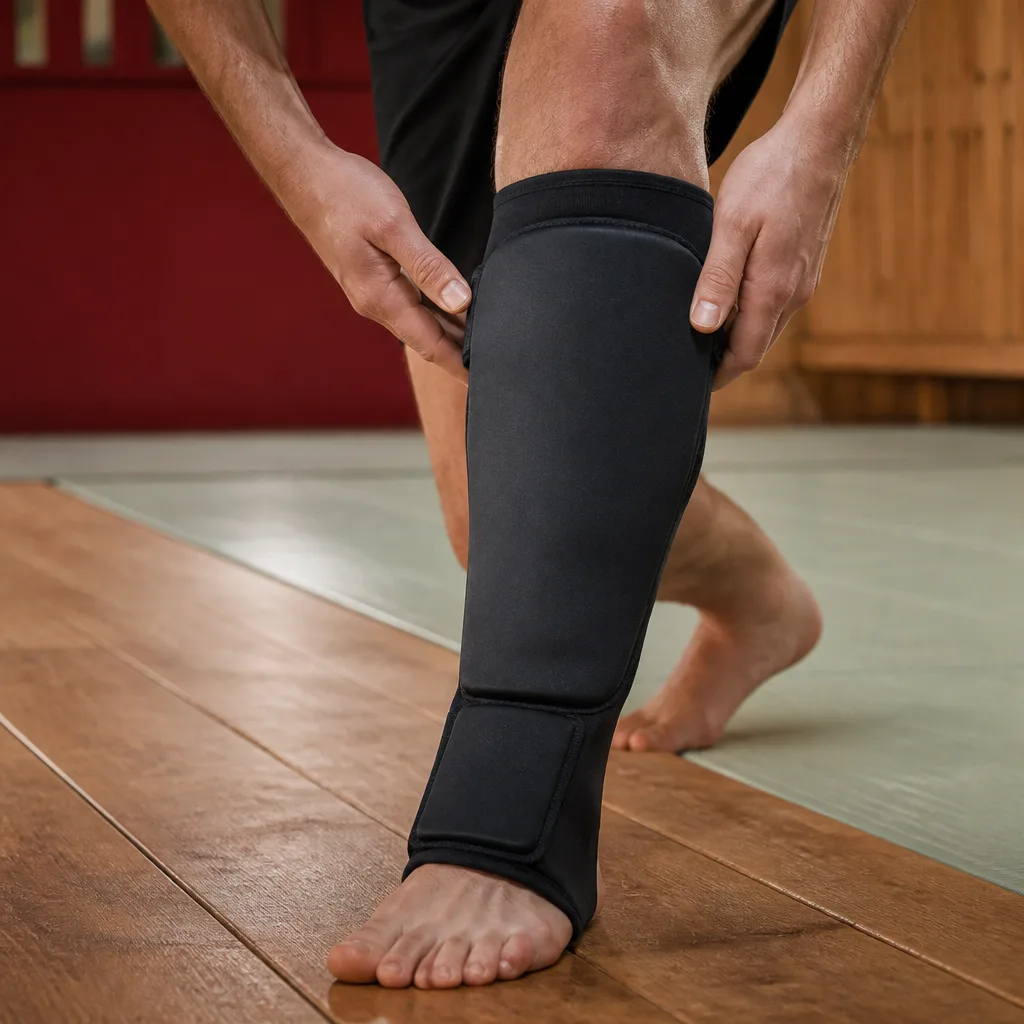
A quick way to check fit once a guard is on is to bend the knee fully, as in a kicking motion, and confirm the top edge of the guard does not dig uncomfortably into the back of the knee, while the bottom edge stays clear of the ankle bone. Guards that pass this simple check in a shop or before purchase tend to hold up well once training gets underway.
 Matching productBo staffAmazon →
04
Shin guards for kickboxing and Muay Thai
Kickboxing and Muay Thai both involve frequent, powerful kicks with the shin itself as well as strikes received on the shin and instep, so guards used in these sports typically favour thicker, well distributed padding across the full length of the shin and a secure fit that will not slide during rapid footwork. Many Muay Thai gyms in particular favour longer guards that extend well toward the ankle, reflecting the sport's heavy use of low kicks. As always, competition rules on permitted shin guard type, if any, are set by the specific event or sanctioning body rather than being universal.
05
Shin guards for karate and point sparring
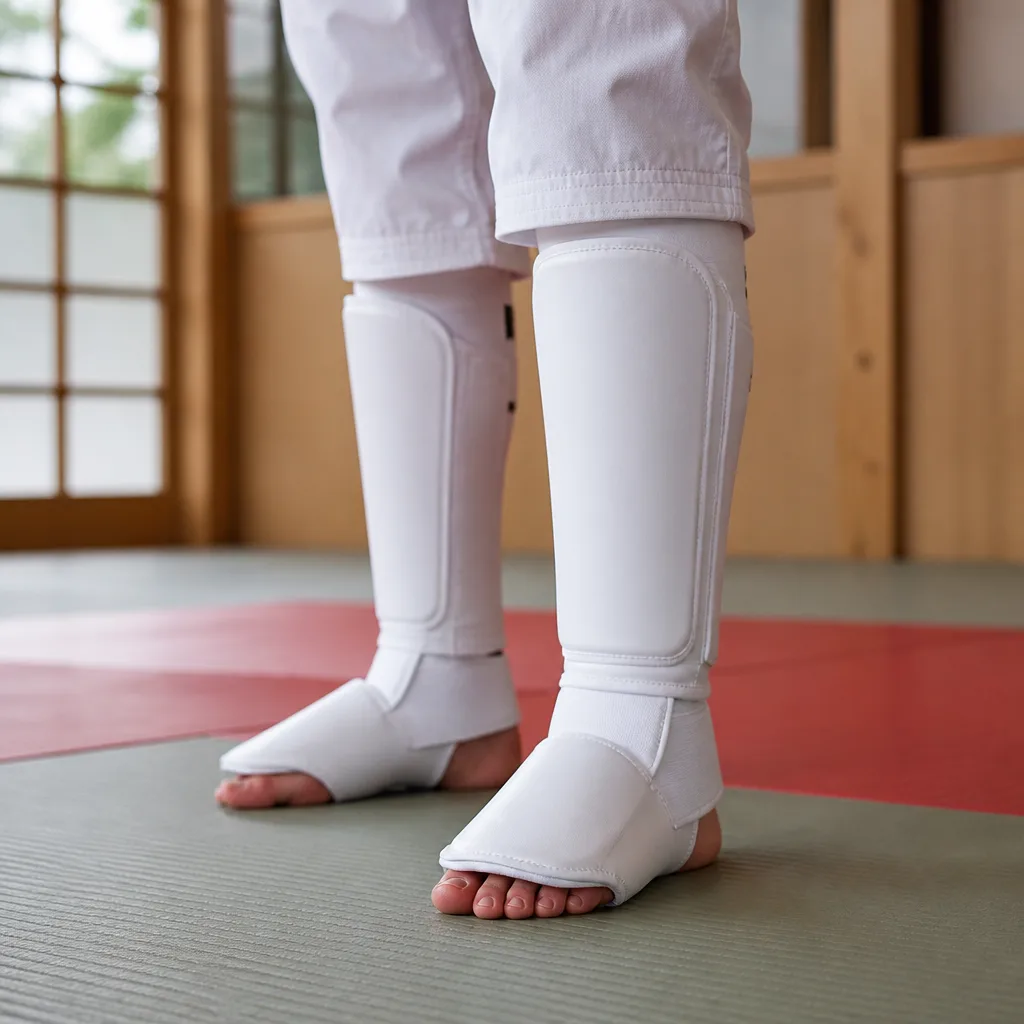
Karate and other point sparring formats generally use lighter, closer fitting shin guards, since contact levels in many rule sets are lighter and continuous kicking exchanges are less common than in kickboxing or Muay Thai. Guards are frequently paired with a matching foot protector, and federations such as the WKF set specific requirements on colour and sometimes approved equipment for their sanctioned competitions, so competitors should check current rules for the event they are entering.
 Matching productKarate giAmazon →
06
Shin guards for MMA
Because MMA training and competition combine striking with grappling, shin guards used for MMA sparring need to allow a fuller range of ankle and foot movement than a pure striking guard, since takedowns, clinch work and ground positions all place different demands on the lower leg. Many MMA focused shin guards are cut lower around the ankle or use a more flexible shell for this reason, and it is worth trying a guard through some light grappling movement, not just kicking, before committing to it for regular training.
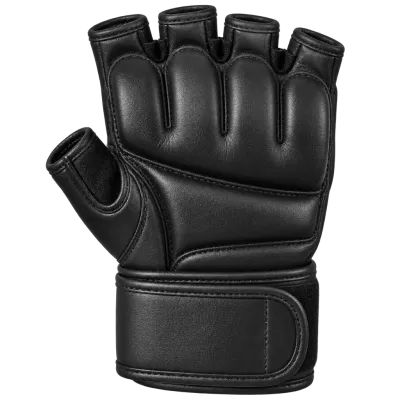 Matching productMMA glovesAmazon →
07
Fit, straps and care
Whatever the style, a shin guard should stay in place through kicking, blocking and footwork without needing constant readjustment. Most use two or three elastic straps with hook and loop closures, and these should be snug but not so tight that they restrict circulation during a long session. After training, wipe down the inner lining and let the guard air dry fully before storing it, since trapped moisture inside foam padding can lead to odour and, over time, a breakdown of the padding itself. Rotating between two pairs, where practical, gives each set more time to dry out between sessions.
08
Frequently asked questions
Should I choose cloth or shell shin guards as a beginner?
Many beginners start with a cloth or wrap style guard for light sparring and drilling, since it is comfortable and versatile, then consider a shell style guard once training intensity increases.
Do shin guards need to cover the instep?
It depends on the style practised and personal preference. Guards with instep coverage protect a commonly used striking surface, but some practitioners prefer less coverage there for better foot flexibility.
How tight should shin guard straps be?
Straps should hold the guard firmly in place without cutting off circulation. If your foot or lower leg feels numb or tingly during training, the straps are too tight.
Can the same shin guards be used for both karate and Muay Thai?
A general purpose guard can often be used across styles for casual training, but competition often requires equipment that meets the specific rules of the sanctioning federation for that event.
How do I stop my shin guards from smelling?
Air them out fully after every session, wipe the interior lining, and avoid storing them damp inside a sealed bag for long periods.
Explore
Read next
 Martial Arts and Their Equipment: A Complete OverviewAn overview of the martial arts covered on budoshop.com and the uniforms, protective gear and training weapons each one typically uses.
 Martial Arts Equipment Buying GuideA practical, step by step guide to buying the right martial arts equipment for your art and level, from your first uniform to protective ge…
 Uniforms and Belts ExplainedA guide to how gi, dobok and hakama are constructed, what federations allow, and how belt colours and grading systems work across schools.