
7 min read
Martial Arts and Their Equipment: A Complete Overview
An overview of the martial arts covered on budoshop.com and the uniforms, protective gear and training weapons each one typically uses.
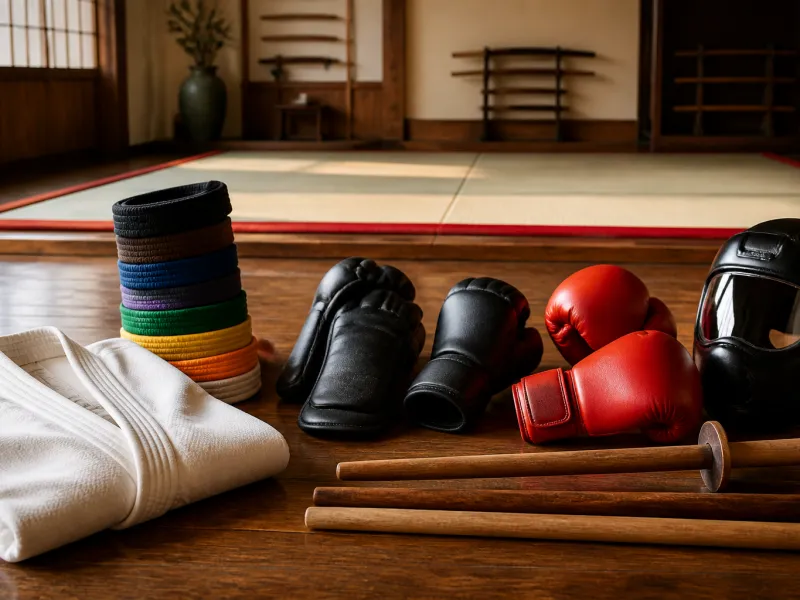
Martial arts cover a wide range of striking, grappling, weapons and hybrid disciplines, and each tradition has developed its own uniform, protective gear and training tools over decades or, in some cases, centuries. This overview introduces the arts covered on budoshop.com, karate, judo, Brazilian jiu jitsu, taekwondo, aikido, kendo, iaido, kobudo, kickboxing and Muay Thai, boxing, mixed martial arts, Krav Maga, Wing Chun and capoeira, and summarises the equipment typically used in each.
None of these arts is presented here as better or more effective than another, and no style is called superior in these pages. They differ in origin, rules and emphasis, and the right choice for you depends on your own goals, your body, and which clubs are actually available where you live. Where a specific piece of equipment deserves more depth than fits here, this page links through to a dedicated guide.
01
Striking arts: karate, taekwondo, kickboxing, Muay Thai and boxing
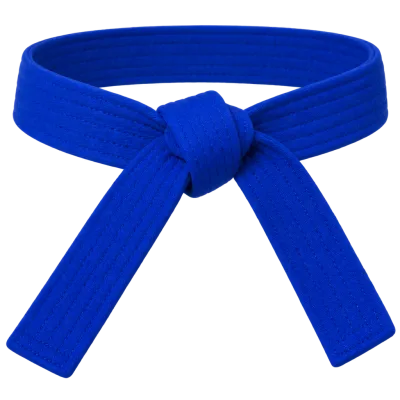
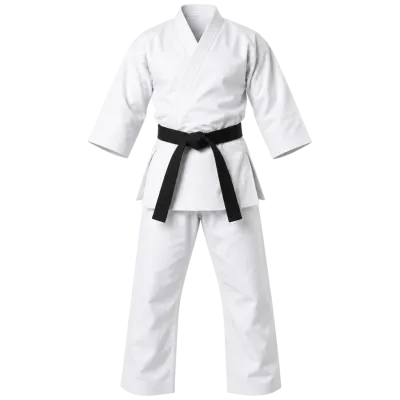
Karate is practised in a karategi, a lightweight to mid weight woven cotton or cotton blend jacket and trousers, closed with a cloth belt, or obi, whose colour marks the wearer's kyu grade before black belt, or dan grade, is reached. Coloured kyu grades vary between schools and federations such as the WKF, so the same colour can sit at a different point in the sequence from one dojo to another. Our karate gi guide explains cut and weight differences in more detail.
Taekwondo uses a dobok, most commonly with a V neck for World Taekwondo style competition, cut looser than a karategi to allow the art's characteristic high kicks. Kickboxing and Muay Thai are typically trained in shorts rather than a traditional uniform, paired with hand wraps, gloves and, for sparring, shin guards and a mouthguard, while Muay Thai practitioners often also wear an armband called a pra jiad during training or competition. Boxing needs no uniform at all beyond shorts and a vest, but relies heavily on hand wraps, gloves ranging roughly from 8 to 16 ounces depending on body weight and the type of session, a mouthguard, and a head guard for sparring. Our taekwondo dobok guide and boxing glove sizing guide cover these choices step by step.
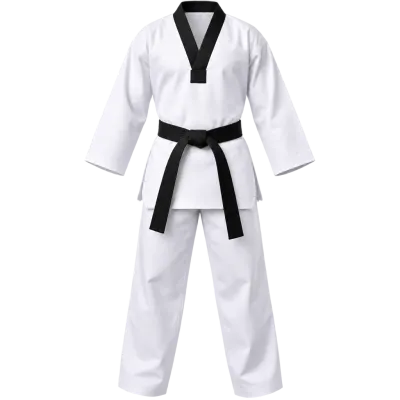 Matching productTaekwondo dobokAmazon →
02
Grappling arts: judo and Brazilian jiu jitsu
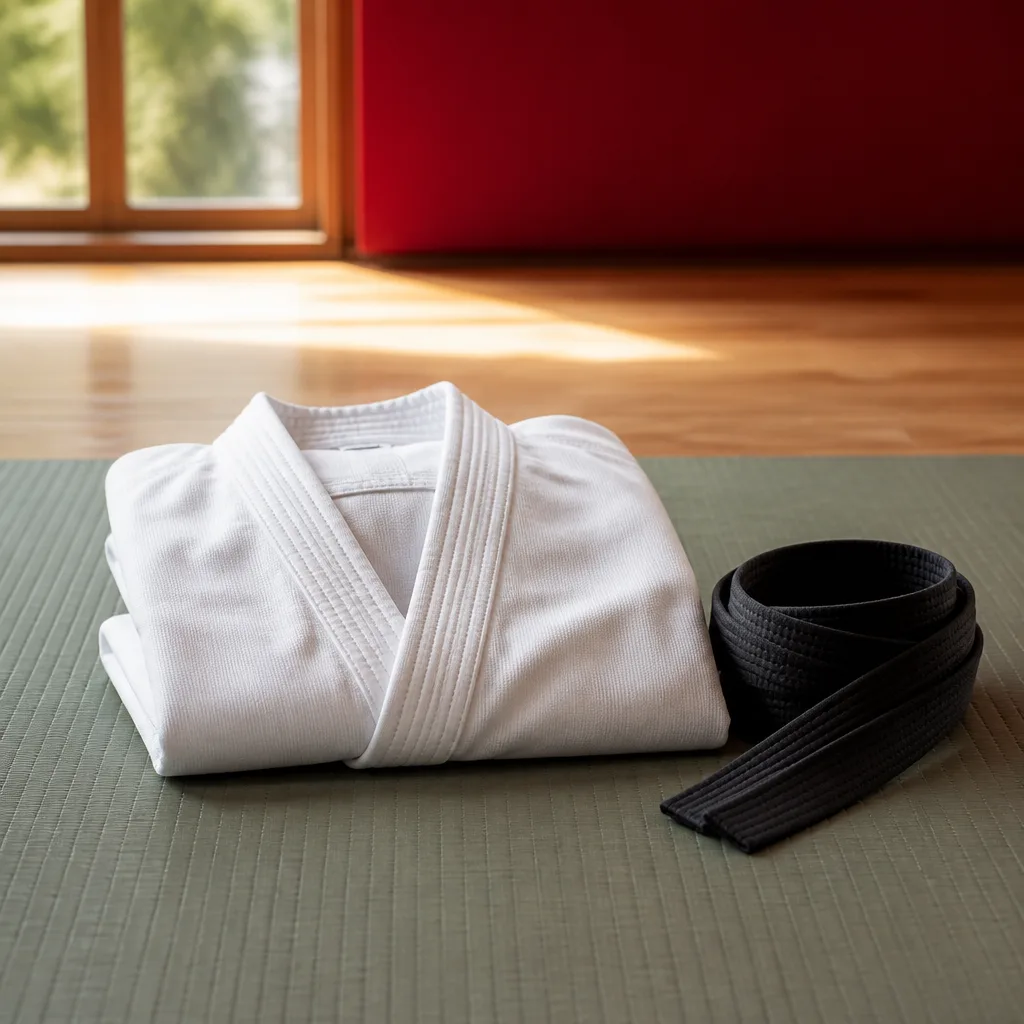
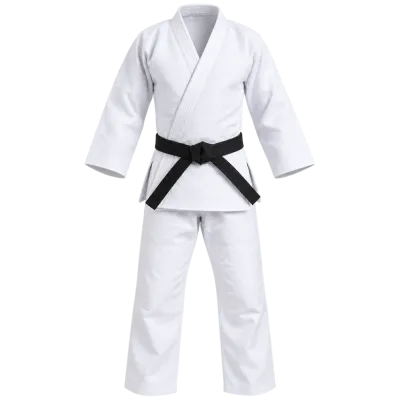
Judo is trained in a judogi, a reinforced uniform built to withstand repeated gripping and throwing, with competition jackets commonly falling in a range of roughly 450 to 750 gsm fabric weight. International Judo Federation rules set limits on sleeve length, jacket length and belt width, among other dimensions, so a judogi intended for competition follows a stricter specification than a plain training uniform. Our judogi guide explains weave types and how to judge fit.
Brazilian jiu jitsu uses a BJJ gi that looks similar to a judogi at first glance but is generally cut closer to the body to reduce the grips an opponent can find, and it is often built from a pearl weave or similar lightweight fabric rather than the heavier weave common in judo. No gi training in Brazilian jiu jitsu instead uses a rash guard and spats or shorts, without any jacket to grip. Belt progression in both arts follows a kyu and dan style system, though the exact grading pace and requirements differ between organisations. See our BJJ gi guide for more on fabric weaves and IBJJF legal requirements.
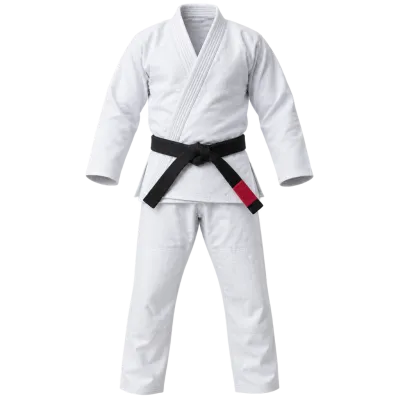 Matching productBJJ giAmazon →
03
Weapons and forms: kendo, iaido and kobudo
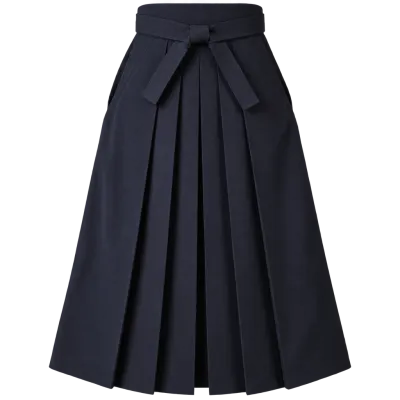
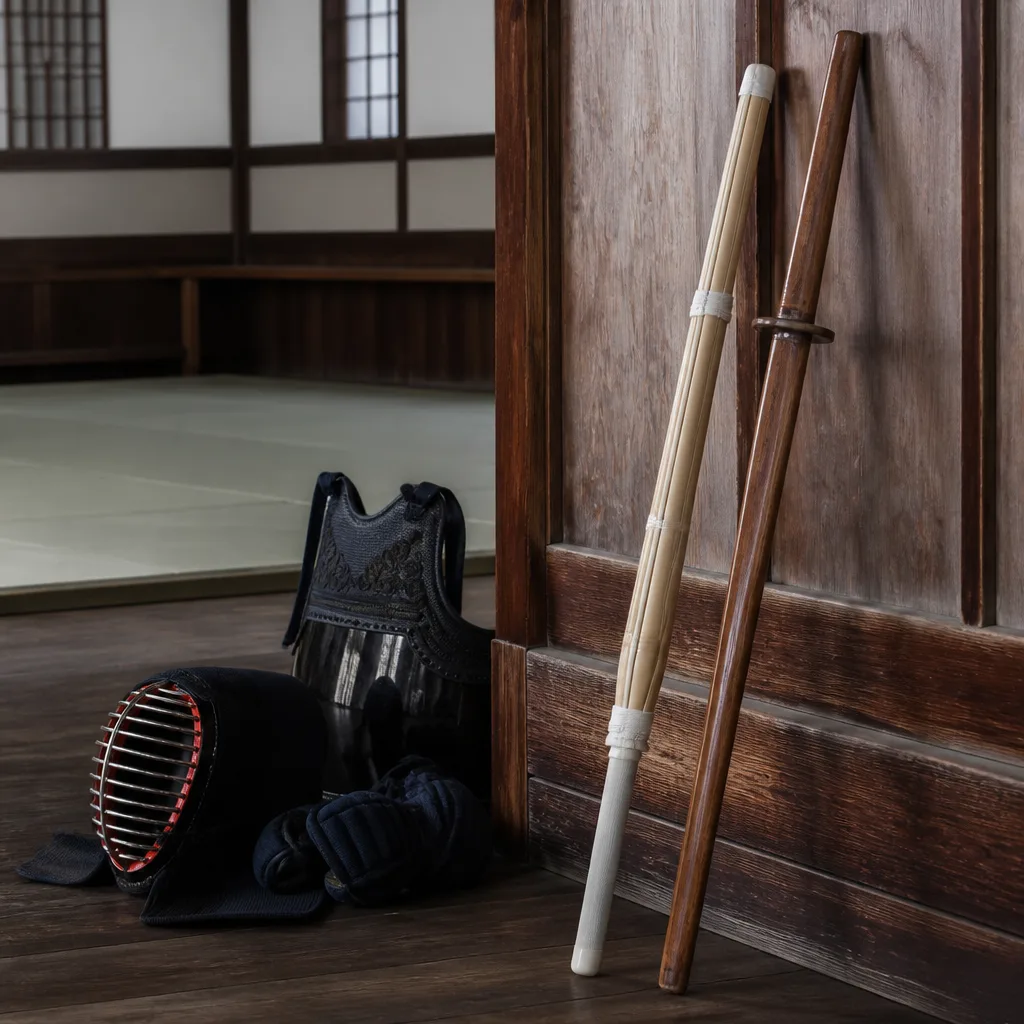
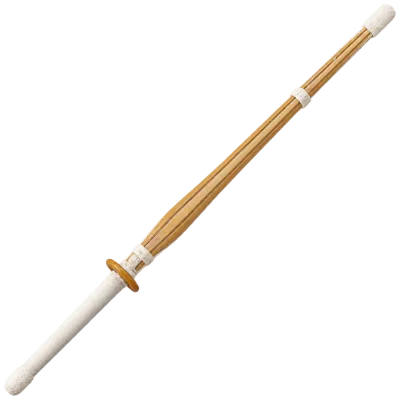
Kendo pairs a keikogi jacket and hakama trousers with a full set of bogu armour covering the head, torso, waist and forearms, worn while sparring with a bamboo shinai. The armour is built from stitched, padded panels and, for the head piece, a barred metal grille, and is one of the more substantial investments among the arts covered here. Iaido, by contrast, is usually practised solo, drawing and re sheathing a blunt practice sword called an iaito while wearing a keikogi and hakama, without the armour kendo requires. Our kendo equipment guide walks through the individual pieces of bogu and how they should fit.
Kobudo, the weapons tradition most associated with Okinawan karate, trains with implements such as the bo staff, sai, tonfa and nunchaku, generally without body armour, since technique and control are emphasised over full contact sparring with the weapon itself. Our broader weapons training guide covers bo, jo and bokken handling and care across several arts that share these tools.
 Matching productHakamaAmazon →
04
Aikido: uniform and falling practice
Aikido is trained in a keikogi similar to a judogi, and more experienced students, along with all practitioners in some schools, wear a wide pleated hakama over it, historically a mark of advancing rank though conventions vary between organisations. Because aikido technique relies heavily on joint locks, throws and redirection rather than striking, a large part of early training focuses on ukemi, the breakfalls that let a student land safely on the tatami, which makes mat quality and thickness particularly important for this art. Our aikido and hakama guide explains how to choose and fold a hakama correctly.
 Matching productJudogiAmazon →
05
Modern and hybrid arts: MMA, Krav Maga, Wing Chun and capoeira
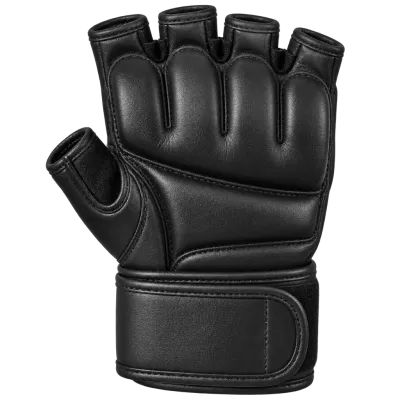
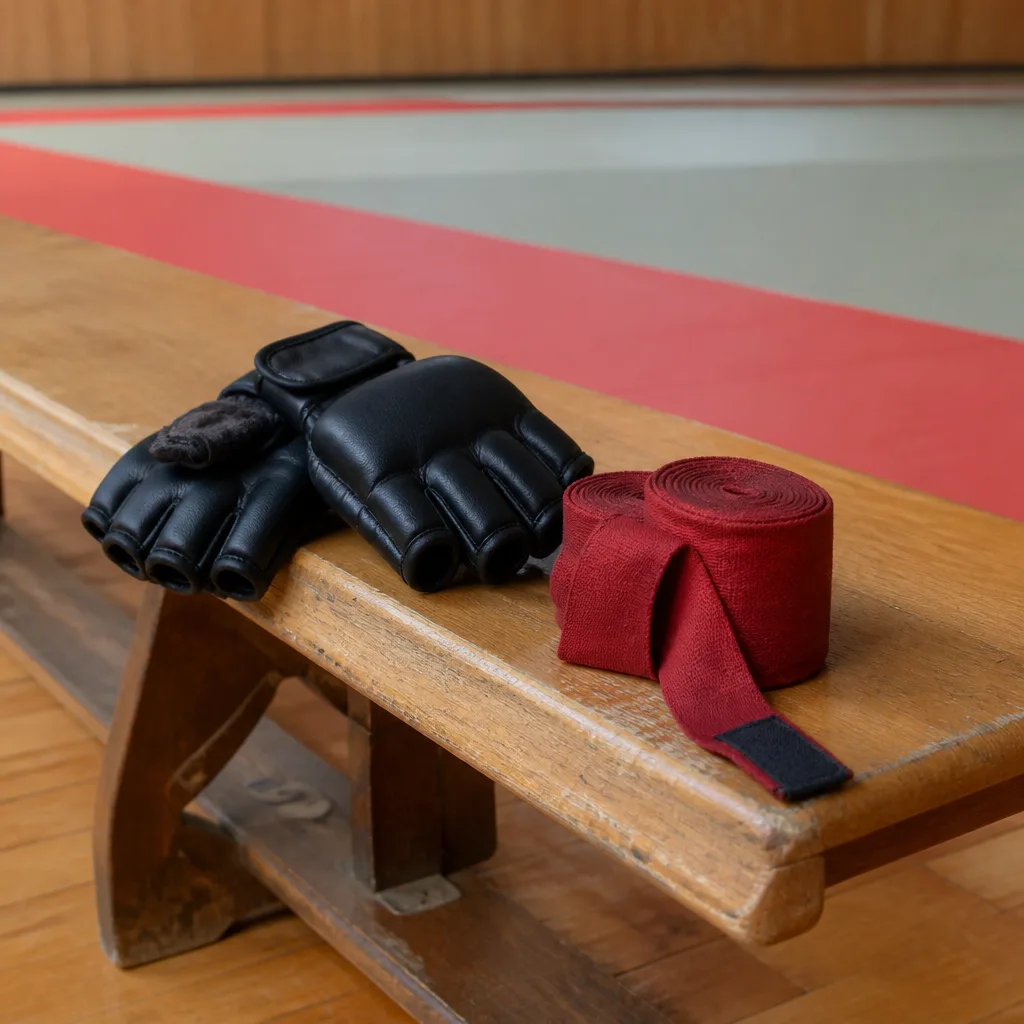
Mixed martial arts borrows equipment from several of the arts above depending on the phase of training: MMA gloves with exposed fingers for grappling on the ground, shin guards and a mouthguard for sparring, and a rash guard or shorts rather than a traditional uniform. Krav Maga, developed as a practical self defence system, is typically trained in ordinary athletic clothing with protective gear such as focus mitts, a groin guard and sometimes a head guard added for partner drills, since the emphasis sits on defensive response rather than a fixed uniform tradition.
Wing Chun, a Chinese striking art built around close range trapping and rapid hand techniques, is usually practised in simple, loose fitting training clothes without a formal grading uniform in most lineages, sometimes alongside a wooden dummy used for solo drilling. Capoeira, the Brazilian art that blends martial technique, music and acrobatics, is trained barefoot in loose white or light coloured trousers and a T shirt, with rank shown through a corda, a coloured cord worn at the waist rather than a rigid belt.
 Matching productMMA glovesAmazon →
06
Comparison table: art, uniform and typical gear
| Art | Typical uniform | Typical additional gear |
|---|---|---|
| Karate | Karategi and coloured or black obi | Mouthguard, sometimes gloves and shin guards for sparring |
| Judo | Judogi and belt | None required beyond the uniform for most training |
| Brazilian jiu jitsu | BJJ gi and belt, or rash guard and spats for no gi | Mouthguard optional for rolling |
| Taekwondo | Dobok and belt | Head guard, gloves, shin and foot guards, mouthguard for sparring |
| Aikido | Keikogi, belt, hakama for advanced students | None beyond the uniform |
| Kendo | Keikogi and hakama | Bogu armour and a shinai |
| Iaido | Keikogi and hakama | Iaito practice sword |
| Kobudo | Karategi or similar training uniform | Bo, sai, tonfa or nunchaku |
| Kickboxing and Muay Thai | Shorts | Gloves, hand wraps, shin guards, mouthguard |
| Boxing | Shorts and vest | Gloves, hand wraps, mouthguard, head guard for sparring |
| MMA | Shorts or rash guard | MMA gloves, shin guards, mouthguard |
| Krav Maga | Athletic training wear | Focus mitts, groin guard, sometimes a head guard |
| Wing Chun | Loose training clothes | Generally none, sometimes a wooden training dummy |
| Capoeira | Loose trousers and a T shirt, worn barefoot | Corda cord to show rank |
 Matching productMartial arts beltAmazon →
07
Choosing equipment if you train in more than one style
It is increasingly common to train in more than one art at once, for example judo alongside kickboxing, or karate alongside a weapons class. If your arts share a similar uniform tradition, such as karate and kobudo, a single well fitted karategi and belt combination often covers both, while arts with distinct fabric requirements, such as judo and Brazilian jiu jitsu, usually need their own uniform even though a judogi and a BJJ gi can look similar from across a room. Protective gear is easier to share across striking arts: a well fitted mouthguard, for instance, works equally well for karate sparring, kickboxing and boxing, and decent shin guards will generally serve more than one striking discipline.
When budgeting for a second art, our first gear for beginners guide and our buying guide both cover which pieces are worth buying once and reusing, and which are specific enough to a single style that duplicating them makes sense.
 Matching productKarate giAmazon →
08
Frequently asked questions
Can I use a judogi for Brazilian jiu jitsu, or the other way around?
In casual training this is often possible, but competition rules under organisations such as the IJF or IBJJF set specific fabric weight, cut and fit requirements, so a uniform built for one sport may not be accepted, or may not hold up as well, in the other.
Do I need armour to start kendo?
Most beginners train for a period in keikogi and hakama with a bokken or bare handed before bogu armour and a shinai are introduced, so full armour is rarely a first purchase. Ask your dojo about the timeline it follows.
Which arts need the least equipment to begin?
Judo, aikido, Wing Chun and capoeira generally need the least separate protective gear to begin, since early training focuses on technique, falls or forms rather than full contact sparring, though a proper uniform or appropriate clothing is still expected from the first class in most schools.
Is one martial art safer than another?
Every contact sport carries some risk, and relative safety depends heavily on the specific club, its supervision and how sparring is managed, rather than on the art alone. Well fitted protective gear and clear supervision matter more than the choice of style itself.
Can children train in the same equipment as adults?
Children generally need uniforms and protective gear sized specifically for them rather than a scaled down adult item, since fit affects both safety and freedom of movement. Our children's equipment guide explains what to look for by age and size.
 Matching productShinaiAmazon →
Explore
Read next
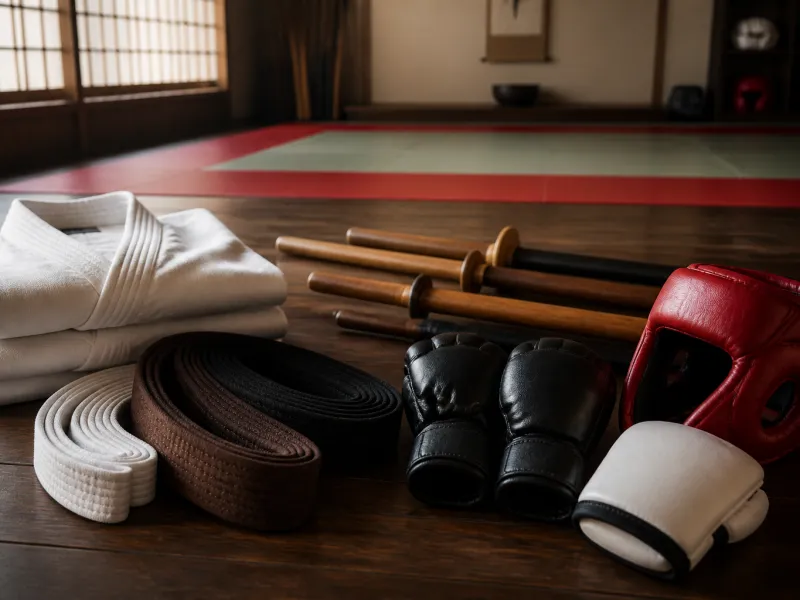 Martial Arts Equipment Buying GuideA practical, step by step guide to buying the right martial arts equipment for your art and level, from your first uniform to protective ge…
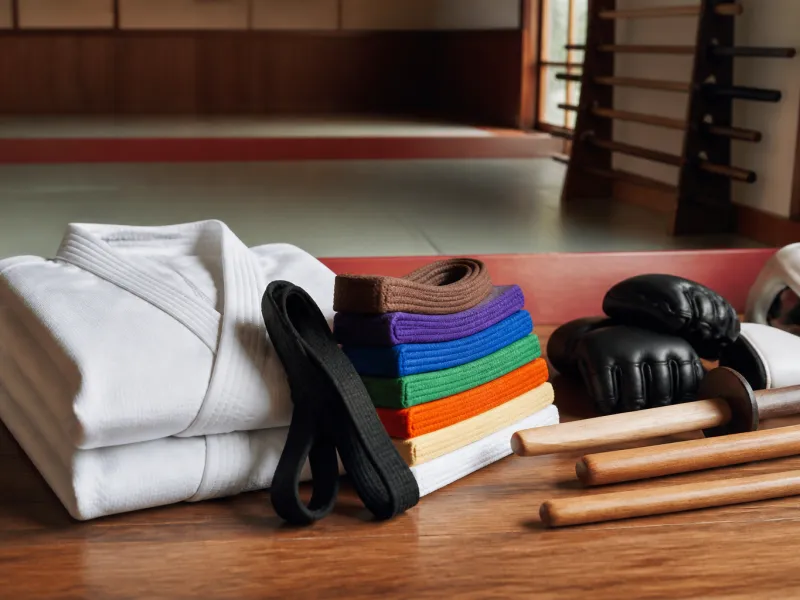 Uniforms and Belts ExplainedA guide to how gi, dobok and hakama are constructed, what federations allow, and how belt colours and grading systems work across schools.
 Martial Arts Glossary: Terms Explained from A to ZA quick reference glossary of martial arts equipment terms from A to Z, from uniform names to grading and weapons vocabulary.