
5 min read
Boxing gloves sizing guide: weight, purpose and fit
Choose the right boxing glove weight for your bodyweight and training, and understand lace versus velcro closures.
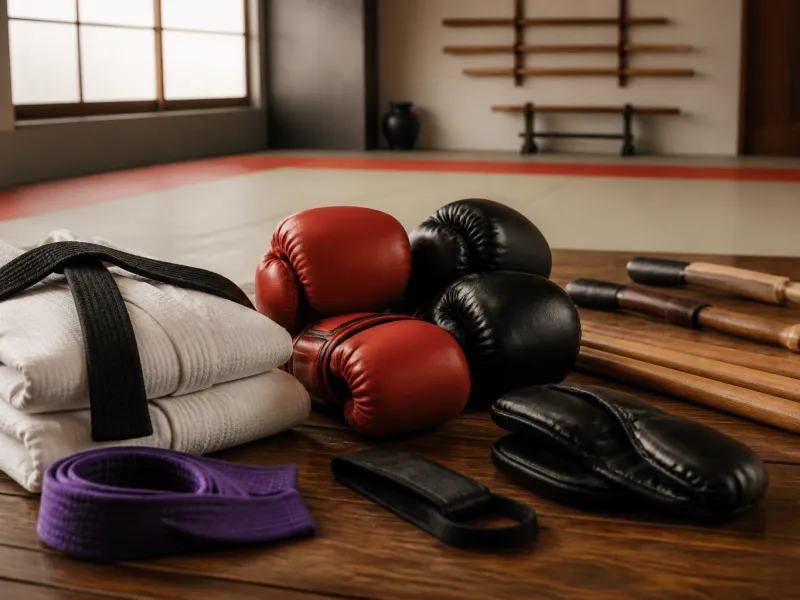
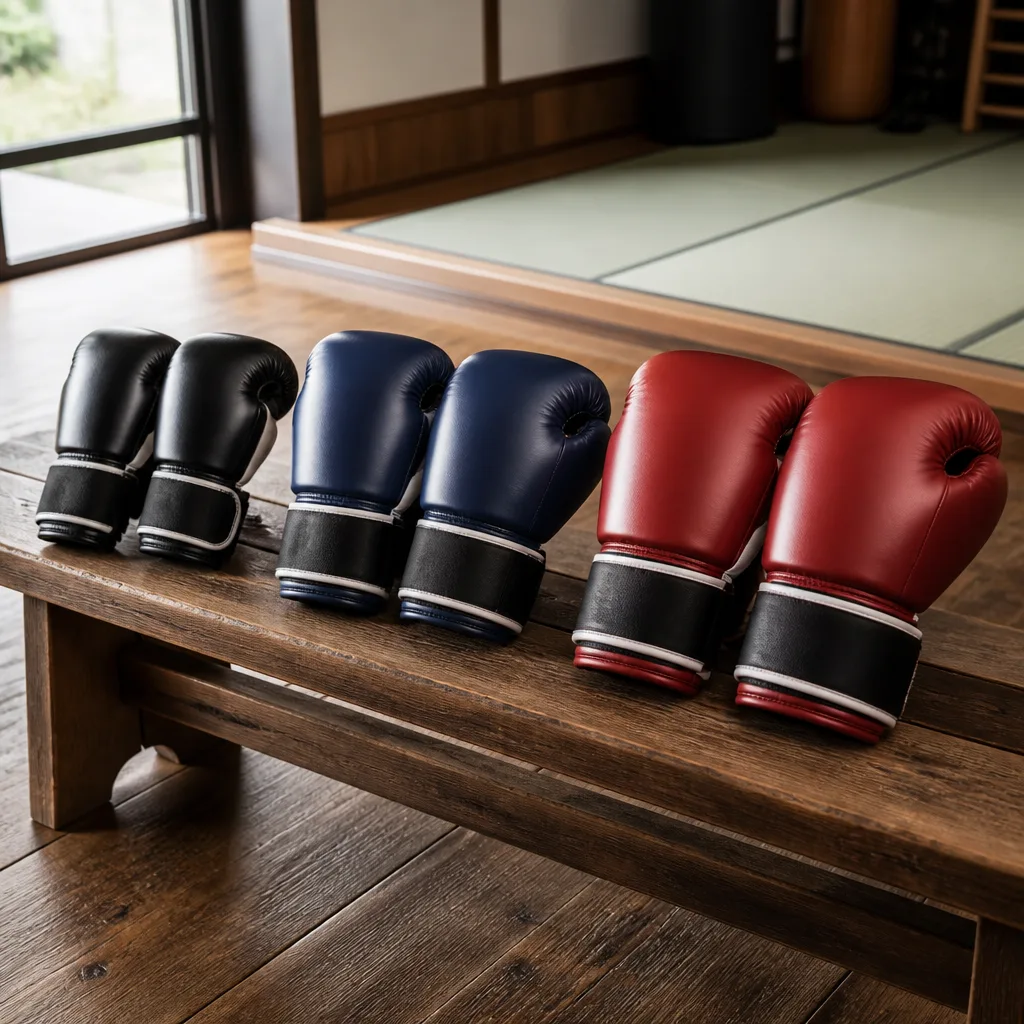
Boxing gloves come in a wide range of weights, measured in ounces (oz), and choosing the right weight and style makes a real difference to both comfort and technique. The correct glove depends less on your favourite colour and more on your bodyweight, the type of training you do, and whether you are hitting a bag, sparring with a partner, or stepping into competition.
This guide explains how glove weight is chosen, the differences between bag, sparring and competition gloves, lace versus hook and loop closures, and why hand wraps matter alongside the gloves themselves.
01
Glove weight explained
Glove weight is measured in ounces and refers to the total weight of the glove, most of which comes from the padding over the knuckles. A heavier glove has more padding, which spreads impact over a larger area and reduces the force reaching both the wearer's hand and the training partner or bag on the receiving end. Common weights for adults range from about 8 oz up to 16 oz or more, with children's and lighter framed adults' gloves sometimes going below that range.
It helps to think of glove weight as a trade off rather than a simple scale of better to worse. A lighter glove lets you feel technique, hand speed and pad placement more directly, which suits focused drilling, while a heavier glove trades some of that feedback for extra protection, which matters more as contact and session length increase. Most people training regularly end up owning more than one weight over time, choosing between them depending on the day's session rather than sticking to a single pair for everything.
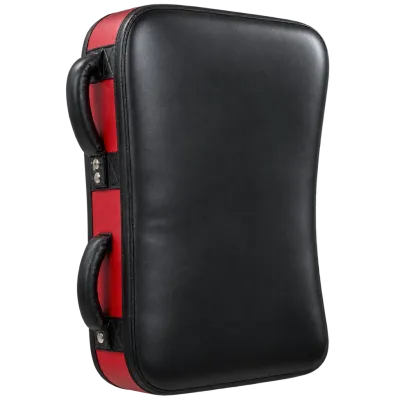 Matching productKick shieldAmazon →
02
Choosing weight by bodyweight and purpose
There is no single universal rule, since dojo, boxing gyms and federations sometimes give slightly different recommendations, but the table below gives commonly used starting points that many coaches follow.
| Bodyweight (approx.) | Typical glove weight | Common use |
|---|---|---|
| Under 45 kg | 8 to 10 oz | light bag work, technique drills |
| 45 to 60 kg | 10 to 12 oz | bag work and light sparring |
| 60 to 80 kg | 12 to 14 oz | bag work, sparring |
| Over 80 kg | 14 to 16 oz | sparring, heavier bag work |
| Any weight, dedicated sparring | 16 oz | widely used sparring standard in many gyms |
Heavier gloves are generally preferred for sparring regardless of bodyweight, since the additional padding protects both training partners over repeated rounds, while lighter gloves are more common for focused bag work, pad drills or competition, where rules set specific weight requirements depending on the sanctioning body and weight class.
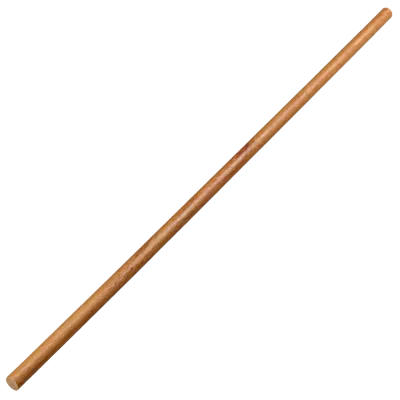 Matching productBo staffAmazon →
03
Bag gloves, sparring gloves and competition gloves
Although the terms overlap, gloves are often categorised by their main purpose.
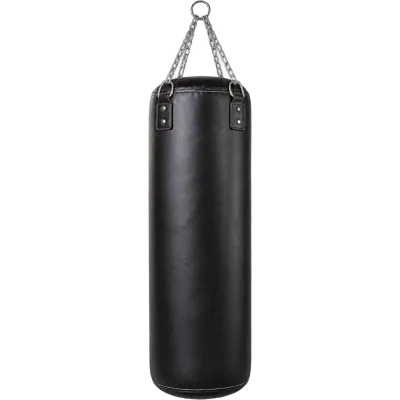
- Bag gloves are built for striking a heavy bag or pads repeatedly, often with dense padding concentrated at the striking surface and a closer, more compact fit.
- Sparring gloves carry more overall padding, generally 14 to 16 oz for adults, to protect both the wearer and their partner during live practice.
- Competition gloves follow the specific weight, colour and construction rules of the relevant sanctioning body or federation for the event and weight class, and these rules can differ between organisations, so competitors should always confirm requirements well ahead of an event.
 Matching productHeavy bagAmazon →

04
Lace up versus hook and loop closures
Gloves close either with traditional laces or with a hook and loop (commonly known by the generic term velcro) strap.
| Closure type | Typical advantage | Typical drawback |
|---|---|---|
| Lace up | very secure, snug wrist support once tied | needs a partner or trainer to tie and untie |
| Hook and loop | quick to put on and take off independently | can loosen slightly during long sessions if not checked |
Many gyms use hook and loop gloves for general classes because they are fast to put on between drills, while lace up gloves remain common in competition and among boxers who want the most secure possible wrist support.
05
Hand wraps: why they matter
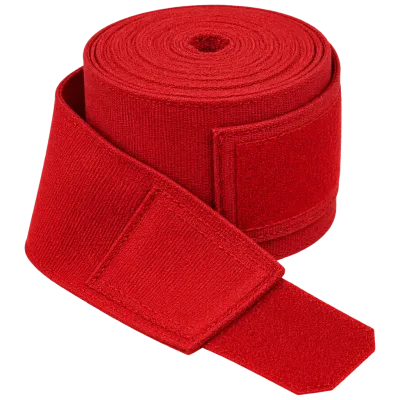
Hand wraps are worn underneath boxing gloves to support the wrist and the many small bones of the hand, and to hold the padding around the knuckles in a more consistent position during impact. Wraps come in different lengths and materials, with longer wraps giving more wrist support, particularly useful for heavier bag work or sparring. Skipping hand wraps, even with a well padded glove, removes an important layer of joint support and is generally discouraged for anything beyond very light pad work. See our related glossary entry on hand wraps for a closer look at wrapping styles.
Wraps are typically made from cotton, a stretch cotton and elastane blend, or a semi elastic material, and lengths commonly range from around 2.5 m for smaller hands or shorter wraps up to around 4.5 or 5 m for wraps offering fuller wrist and knuckle coverage. Beginners often find a shorter, simpler wrap easier to learn with, moving to a longer wrap once the basic wrapping pattern feels comfortable.
 Matching productHand wrapsAmazon →
06
Fit and break in
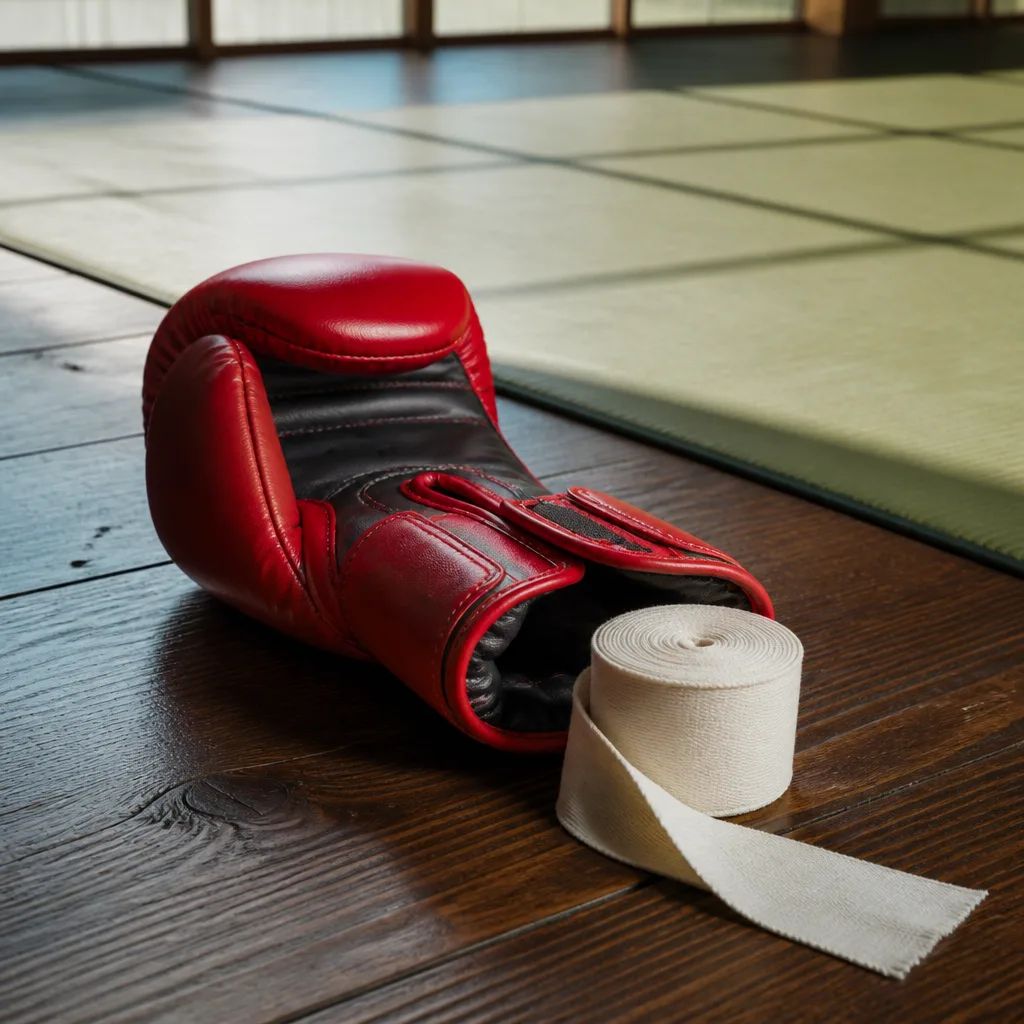
A well fitting glove allows the fingers to curl into a full fist without excessive room at the fingertips, while still leaving enough space for a hand wrap underneath. New gloves, especially those with dense foam padding, often feel stiff at first and soften gradually with use as the padding compresses to the shape of the hand. If a glove still feels loose around the wrist once properly fastened, a size down or a different wrist strap length is usually a better solution than trying to compensate with tighter wrapping alone. Trying gloves on with the hand wraps you actually intend to train in, rather than bare handed, gives a far more accurate sense of the fit you will experience in a real session.
07
Care and maintenance
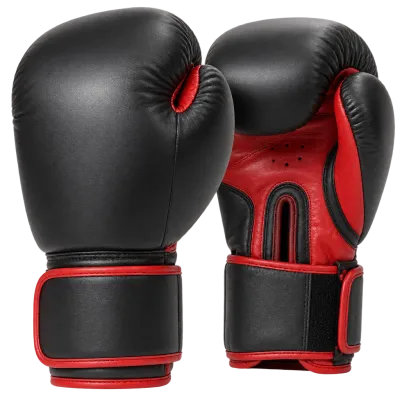
Boxing gloves absorb a great deal of sweat, so airing them out fully after every session, ideally with the opening held apart, helps prevent unpleasant odours and material breakdown over time. Wipe the interior lining with a dry cloth or a glove deodoriser designed for sports equipment, and avoid leaving gloves sealed in a bag for extended periods. Keeping a spare pair of hand wraps in rotation also reduces how much moisture the gloves themselves need to absorb each session.
 Matching productBoxing glovesAmazon →
08
Frequently asked questions
What weight of boxing gloves should a beginner buy?
Many beginners start with a mid range weight, often 12 to 14 oz, that works reasonably well for both bag work and light sparring, then adjust once their training focus becomes clearer.
Are heavier gloves always safer?
Generally yes for sparring, since more padding spreads impact more widely, though very heavy gloves can also be tiring for light technical drills, so the right weight depends on the activity as well as safety.
Do I need different gloves for competition than for training?
Often yes, since competitions follow specific rules on glove weight and sometimes construction set by the relevant federation, which can differ from what is used for everyday gym training.
Can children use adult boxing gloves?
It is better to use gloves sized for children, since adult gloves are usually too heavy and too large for a child's hand and wrist to control safely.
Do hand wraps replace the need for padded gloves?
No, wraps support the wrist and hand bones but provide little cushioning on their own, so they are used together with, not instead of, appropriately padded gloves.
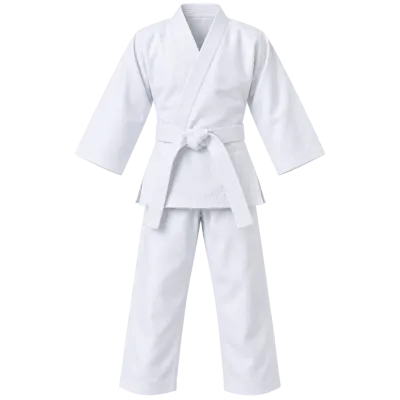 Matching productKids karate giAmazon →
Explore
Read next
 Martial Arts and Their Equipment: A Complete OverviewAn overview of the martial arts covered on budoshop.com and the uniforms, protective gear and training weapons each one typically uses.
 Martial Arts Equipment Buying GuideA practical, step by step guide to buying the right martial arts equipment for your art and level, from your first uniform to protective ge…
 Uniforms and Belts ExplainedA guide to how gi, dobok and hakama are constructed, what federations allow, and how belt colours and grading systems work across schools.