
6 min read
Martial Arts Equipment Buying Guide
A practical, step by step guide to buying the right martial arts equipment for your art and level, from your first uniform to protective gear and weapons.
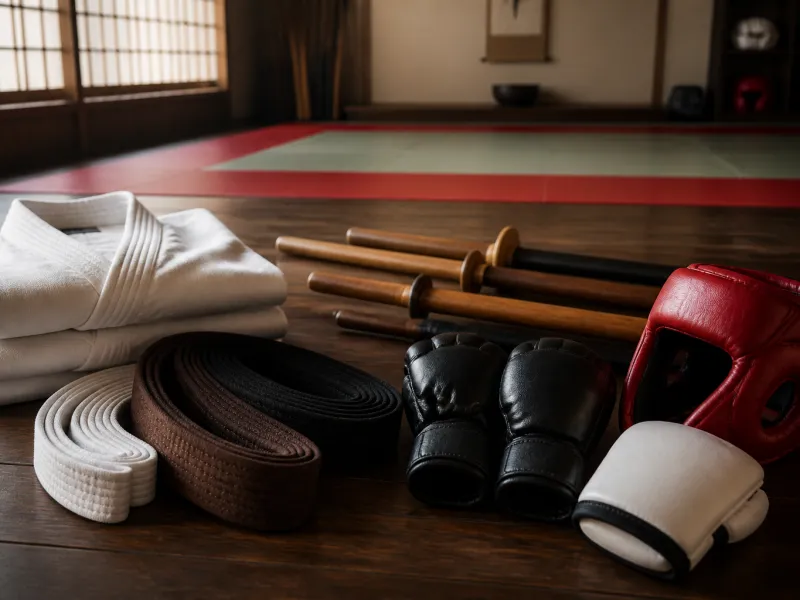
Buying martial arts equipment for the first time can feel overwhelming. Every art has its own uniform, its own grading system and its own protective gear, and the terminology is often in Japanese, Korean or another language you may not speak yet. This guide walks you through the buying process step by step, from your very first uniform to specialised protective gear and weapons, so that you can make confident choices instead of guessing.
None of the equipment here is ranked, tested or scored, and no brand or model is recommended. Instead, this page explains what each category is for, what federations and instructors typically require, and how to judge quality and fit for yourself. Use it alongside your chosen art's own rules and your instructor's guidance.
01
Step 1: ask your instructor and check federation rules first
Before you buy anything, ask your instructor what is required at your school. Many dojos and clubs have house rules on uniform colour, patch placement or brand of protective gear that go beyond what any federation demands. Your instructor also knows what level of equipment a beginner actually needs, which is often less than a shop display suggests.
If you plan to compete, check the rules of the relevant federation early, since they can affect your purchase directly. Organisations such as the IJF (International Judo Federation), WKF (World Karate Federation), IBJJF (International Brazilian Jiu Jitsu Federation), World Taekwondo and the FIK (International Kendo Federation) each publish approved specifications for uniforms and, in some cases, protective gear. A uniform that is not approved may simply be barred from a competition mat, even if it trained perfectly well for months.
02
Step 2: choose the right uniform for your art
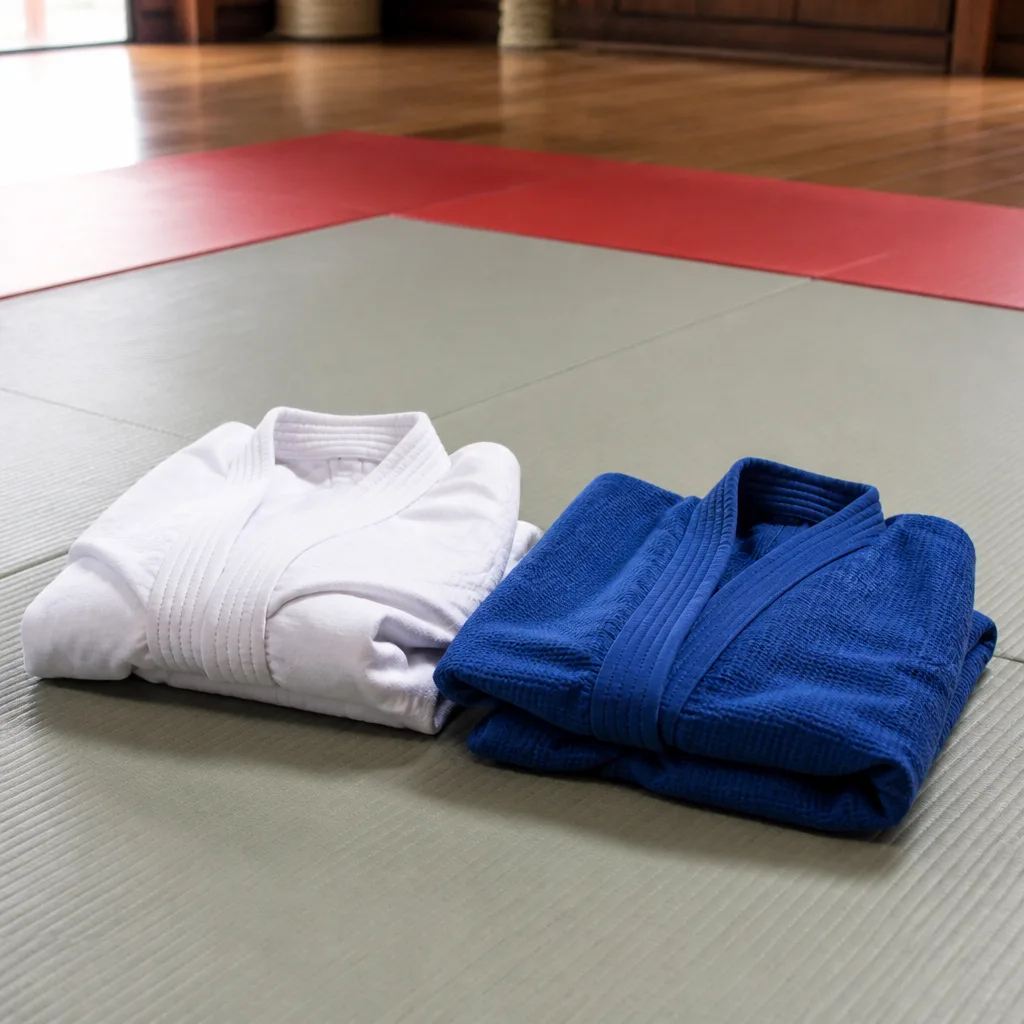
The uniform is usually the first and most important purchase. Its name and construction differ by art, and getting the category right matters more than any other single decision.
| Art | Uniform name | Typical construction |
|---|---|---|
| Judo | Judogi | Very heavy, reinforced weave to withstand gripping and throws |
| Karate | Karategi | Lighter weave for freedom of movement in kicks and strikes |
| Brazilian jiu jitsu | BJJ gi | Reinforced at stress points, often with a tighter collar for grip control |
| Taekwondo | Dobok | Lightweight, often with a V-neck top for World Taekwondo style |
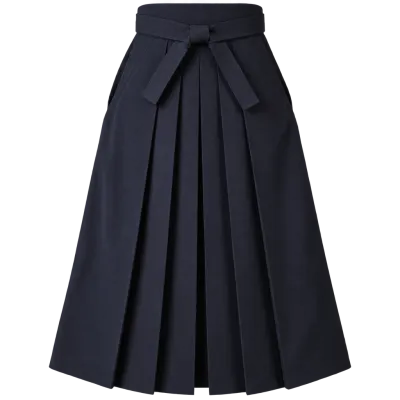
| Aikido, some koryu arts | Keikogi with hakama | Gi worn under a pleated, skirt-like hakama |
See the full explanation of fabrics, cuts and colours in our uniforms and belts guide, and the art-specific guides such as the karate gi guide, judogi guide, BJJ gi guide and taekwondo dobok guide for the details of each.
 Matching productHakamaAmazon →
03
Step 3: understand belt and grade requirements
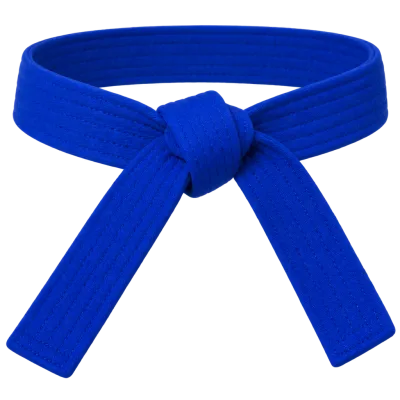
Belts (obi) mark progress through a kyu and dan grading system, but the exact colours, order and number of grades vary by school and by art. Some schools use only a handful of colours before black belt, others use many, and some add stripes or tabs between full grades. Buy the belt colour your instructor assigns at each grading rather than guessing ahead. Our belt guide and tying instructions covers colours, widths, lengths and how kyu and dan systems differ between schools.
 Matching productMartial arts beltAmazon →
04
Step 4: work out what protective gear you need
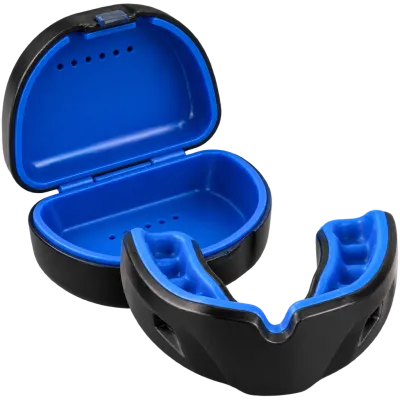
Protective gear needed depends heavily on the art and on whether you spar or compete. Striking arts such as karate, taekwondo, boxing and kickboxing typically need a mouthguard and often gloves, shin guards and a head guard for sparring. Grappling arts such as judo and BJJ generally need little to no protective gear beyond a mouthguard for some styles. Kendo uses a full set of armour called bogu. The table below gives a starting overview, and the full detail is in our protective gear guide.
| Category | Common in | Notes |
|---|---|---|
| Mouthguard | Karate, taekwondo, boxing, MMA, kickboxing | Often required from the first sparring session |
| Gloves (hand mitts, boxing, MMA) | Karate, taekwondo, boxing, kickboxing, MMA | Weight and padding vary by art and by rule set |
| Shin and instep guards | Taekwondo, karate, kickboxing, MMA | Often paired with foot protection |
| Head guard | Boxing, karate, taekwondo sparring | Required by many federations for junior or light contact sparring |
| Chest protector (hogu) | Taekwondo | Required in most sparring and competition formats |
| Kendo bogu | Kendo | Full armour set: men, kote, do, tare |
 Matching productMouthguardAmazon →
05
Step 5: check whether your art uses weapons
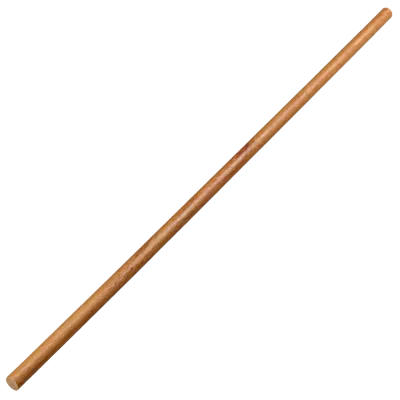
Some arts, particularly aikido, kobudo, iaido and kendo, include training weapons. These range from wooden practice weapons such as the bo staff and bokken to the bamboo shinai used in kendo, and, at advanced levels, blunt or live blades used under close supervision. Weapons are never a beginner's first purchase. Buy only what your instructor specifies, in the size they recommend, and store and transport them safely. See our weapons training guide for an overview by art.
 Matching productBo staffAmazon →
06
Step 6: choose a bag and general fit
Once you train regularly, a dedicated bag keeps a gi, belt and protective gear together and lets a damp uniform air out between sessions rather than sitting sealed in a general sports bag. Look for a bag with enough length for a folded gi without hard creasing, a separate compartment or mesh section for damp kit, and sturdy handles or straps if you carry it on public transport or a bicycle.
Fit matters across every category. A uniform that is too large restricts movement and can be dangerous in grappling, where a loose sleeve or trouser leg can be grabbed or caught. A uniform that is too tight limits kicks and strikes and can tear under stress. Gloves and shin guards that are too loose shift during sparring and lose their protective value. Always check a size chart in centimetres against your own height and, for gi jackets, your chest and arm length, rather than relying on a single small, medium or large label.
 Matching productHeavy bagAmazon →
07
Step 7: learn to read quality signs
Since this site does not review or rank products, quality assessment is a skill worth learning yourself. A few signs tend to indicate better construction across most categories.
- Even, tight stitching along seams and stress points, with reinforced double or triple stitching at the crotch, underarms and collar of a gi
- Fabric weight suited to the purpose: heavier weaves (measured in gsm or oz, see our gi weight glossary entry) for grappling and gripping, lighter weaves for fast striking arts
- A collar that keeps its shape after washing rather than going limp
- Protective gear padding that returns to shape after being compressed, rather than staying flattened
- Closures such as hook and loop straps, laces or drawstrings that are firmly attached, not just glued
- Clean, consistent dye without patchy colour, which can indicate a rushed dyeing process
08
Step 8: buying for children
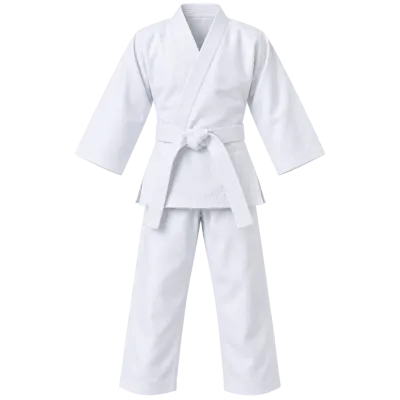
Children's equipment is not simply a smaller version of adult gear. Growing bodies mean sizing changes quickly, uniforms are often cut with more room to allow for growth, and protective gear needs to fit snugly rather than loosely to actually protect. Our kids' martial arts gear guide and beginners' first gear guide go into the specifics of buying for a new student of any age.
 Matching productKids karate giAmazon →
09
Buying checklist
Use this short checklist before any purchase.
- Have you asked your instructor what is required or recommended?
- Do you know your federation's approval rules, if you compete?
- Have you measured yourself in centimetres and checked the seller's size chart?
- Does the uniform or gear match the weight and construction typical for your art?
- Have you checked stitching, fabric weight and closures for quality signs?
- Do you have a plan to care for and store the item, including a bag if needed?
10
Frequently asked questions
Do I need to buy a uniform before my first class?
Many schools lend or sell a basic uniform for the first weeks so that new students can try a class before committing to a purchase. Ask your instructor before buying anything.
Can I use the same uniform for grading and competition?
Often yes, provided it meets your federation's approval rules, but always check current requirements before a competition, since specifications can be updated.
How do I know what size to order online?
Measure your height in centimetres and, where given, your chest and sleeve length, then compare these against the seller's own size chart rather than a generic small, medium or large label. See our gi sizing and shrinkage guide for details.
Is more expensive equipment always better?
Not necessarily. Price is not covered on this site, but construction quality, correct sizing and suitability for your art and level matter more than cost alone.
Do I need protective gear from day one?
Usually not for basic technique classes, but most schools require a mouthguard and sometimes gloves once sparring begins. Ask your instructor when each item becomes necessary.
Explore
Read next
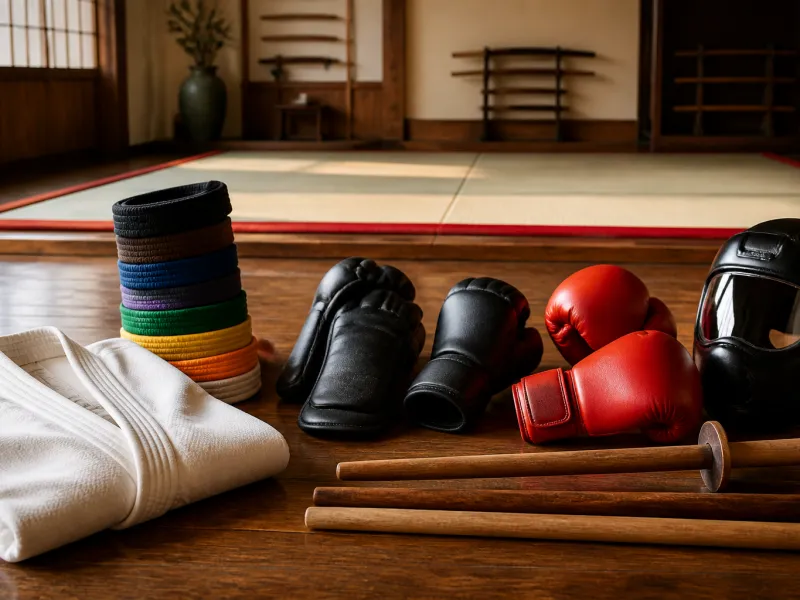 Martial Arts and Their Equipment: A Complete OverviewAn overview of the martial arts covered on budoshop.com and the uniforms, protective gear and training weapons each one typically uses.
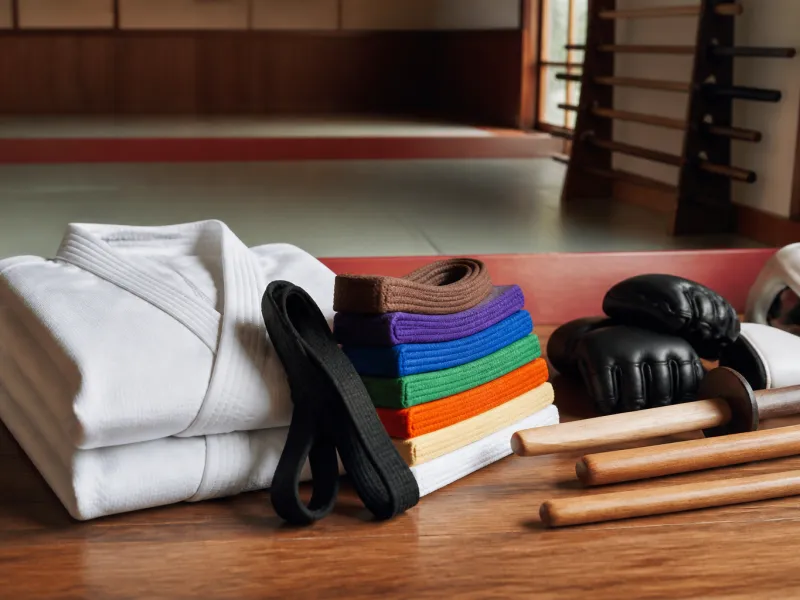 Uniforms and Belts ExplainedA guide to how gi, dobok and hakama are constructed, what federations allow, and how belt colours and grading systems work across schools.
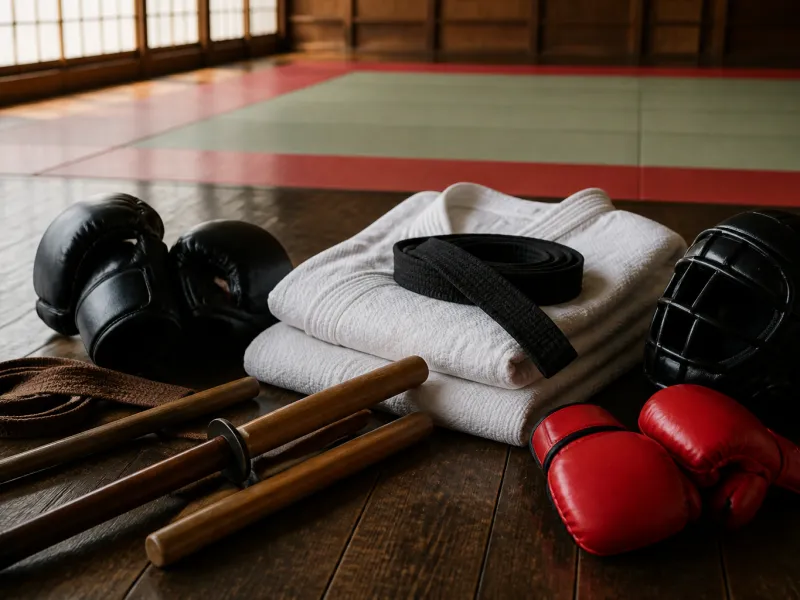 Martial Arts Glossary: Terms Explained from A to ZA quick reference glossary of martial arts equipment terms from A to Z, from uniform names to grading and weapons vocabulary.