
6 min read
Protective Gear for Martial Arts
What protective gear each martial art typically uses, how to size it correctly, and how to keep it hygienic between sessions.
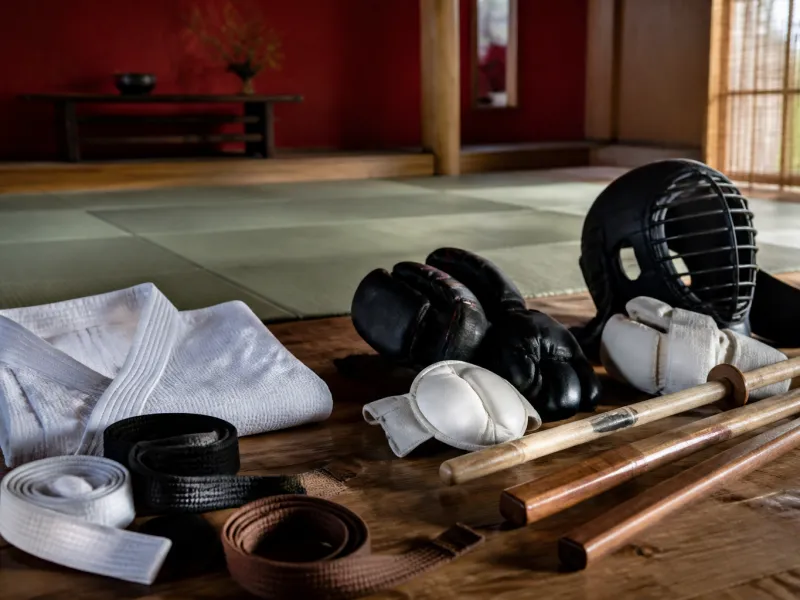
Protective gear exists to reduce the risk of injury during sparring, drilling and competition, not to replace good technique or careful control. What you need depends heavily on your art, your school's rules and whether you compete. This guide explains the main categories by discipline, how to size them and how to keep them hygienic, so that you can build a sensible protective kit rather than buying everything at once.
Nothing on this page is medical advice. If you have a specific health concern related to contact training, speak to a qualified professional, and always follow your instructor's and federation's safety rules, which take priority over general guidance.
01
Mouthguards
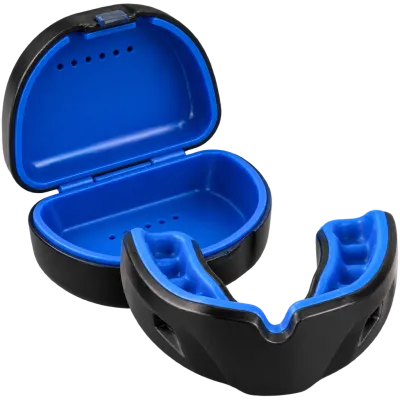
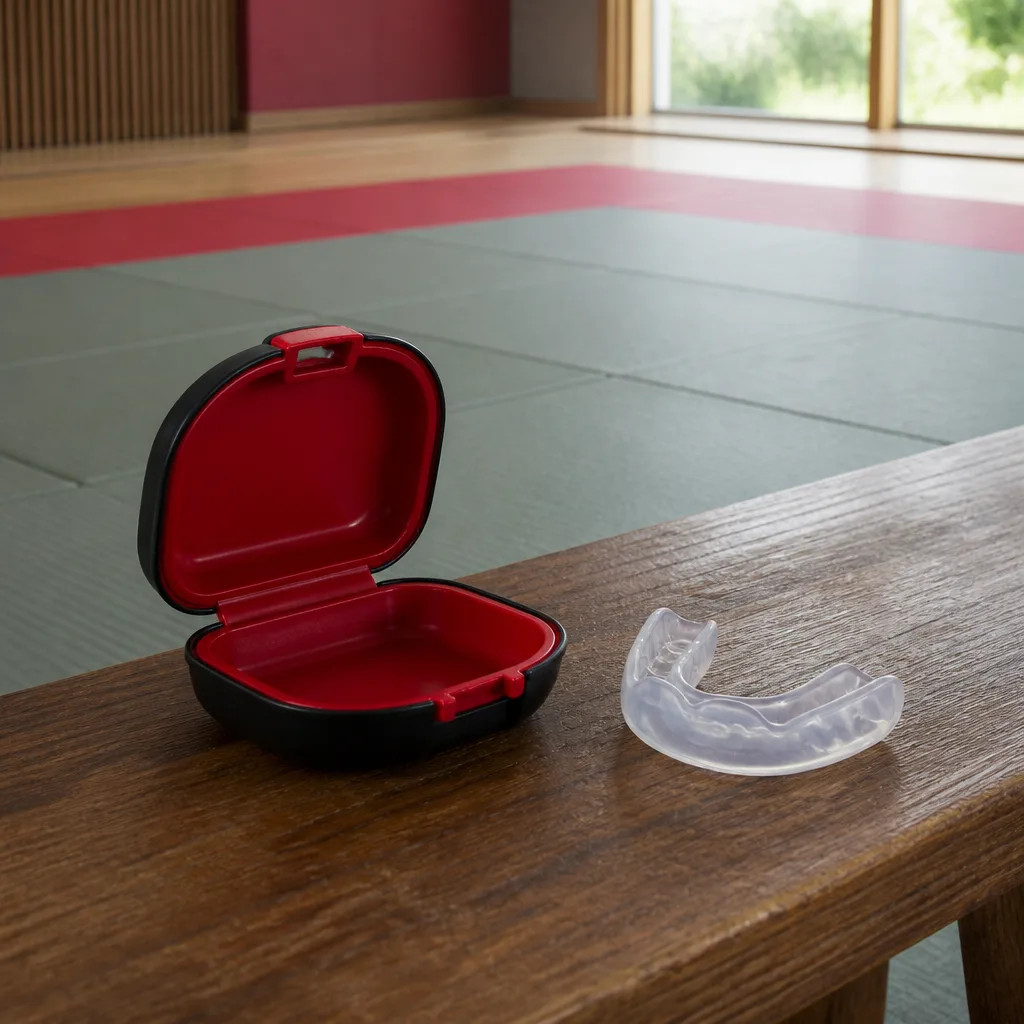
A mouthguard cushions the teeth and jaw during contact and is required in most sparring formats in karate, taekwondo, boxing, kickboxing and mixed martial arts. Boil and bite mouthguards are shaped at home in warm water and are a common starting option, while custom made versions are fitted individually. A mouthguard should sit securely without needing to be clenched in place, and should be rinsed after every use and stored in a ventilated case rather than a sealed pouch, which encourages bacteria to grow.
 Matching productMouthguardAmazon →
02
Groin guards
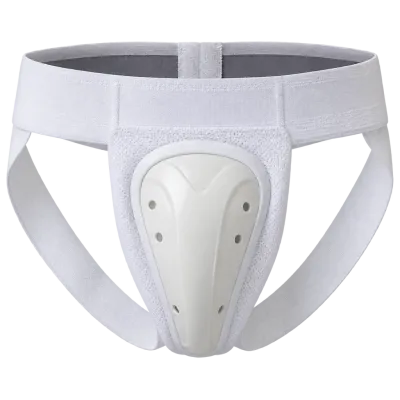
A groin guard, sometimes called a cup, protects against impact in sparring and competition and is common in karate, taekwondo, kickboxing, MMA and boxing, particularly for male athletes, though guards designed for female athletes are also available. Fit should be snug enough that the guard cannot shift during movement, held in place by a supportive undergarment or integrated straps rather than by tightness alone.
 Matching productGroin guardAmazon →
03
Shin and instep guards
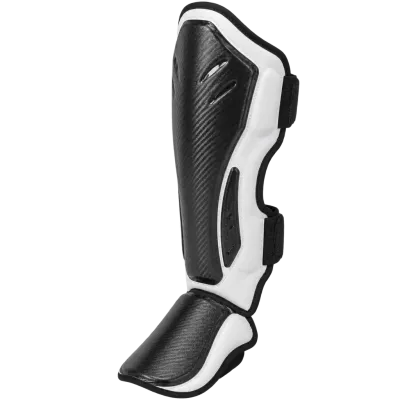
Shin guards protect the lower leg during kicking exchanges and are used widely in taekwondo, karate, kickboxing and MMA. Many designs also cover the instep of the foot, since kicks are often thrown and received with that part of the foot. Shin guards should cover from just below the knee to above the ankle without pinching at either joint, and instep sections should sit flat against the foot without bunching, which can itself cause discomfort or reduce protection.
 Matching productShin guardsAmazon →
04
Head guards
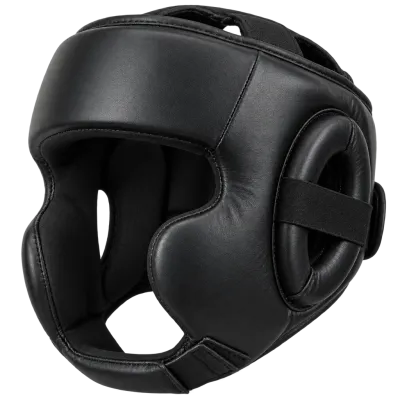
A head guard, or headgear, cushions strikes to the head during sparring and is required by many federations for junior athletes and for light or medium contact formats in boxing, karate and taekwondo. Full contact competition rules vary by federation and by weight class, so check current requirements before competing. A head guard should fit snugly around the crown and cheeks without restricting vision or hearing, since a guard that shifts during sparring can be more of a distraction than a protection.
 Matching productHead guardAmazon →
05
Hand mitts, boxing and MMA gloves
| Glove type | Typical use | Common weight range |
|---|---|---|
| Hand mitts | Light contact karate and taekwondo sparring | Lightweight, open palm design for grabbing techniques |
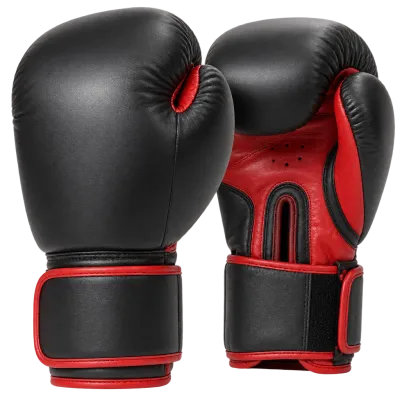
| Boxing gloves | Boxing training and sparring | 8 to 16 oz, with 16 oz common for sparring and lighter weights for competition or bag work |
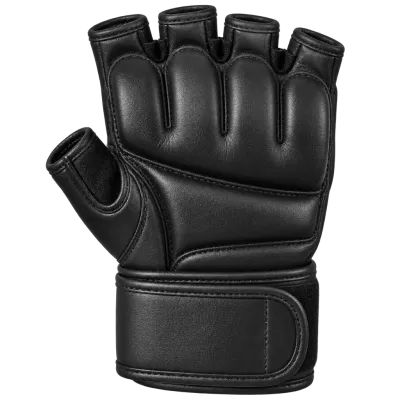
| MMA gloves | Mixed martial arts training and competition | Lighter and more open fingered than boxing gloves, to allow gripping |
Glove weight is measured in ounces and affects both protection and how a strike lands. Heavier gloves generally offer more padding, which is why heavier weights are often used for sparring, while lighter gloves are used for competition formats where the rules specify a particular weight. Hand wraps are usually worn underneath boxing and MMA gloves to support the wrist and knuckles, and are considered part of a complete hand protection setup rather than optional. See the boxing gloves sizing guide and the glossary entries for hand mitts, boxing gloves, MMA gloves and hand wraps.
 Matching productMMA glovesAmazon →
06
Chest protectors for taekwondo
Taekwondo sparring and competition generally use a chest protector, known as a hogu, which covers the torso and, in some formats, connects to electronic scoring systems that register the force of kicks and punches. A hogu should sit close to the body and cover from the collarbone area down to the waist without restricting the arms, since a loose or poorly seated hogu can shift during exchanges and interfere with scoring as well as protection. World Taekwondo and other federations set specific requirements for approved hogu in competition, so check current rules before an event.
 Matching productTaekwondo dobokAmazon →
07
Kendo bogu
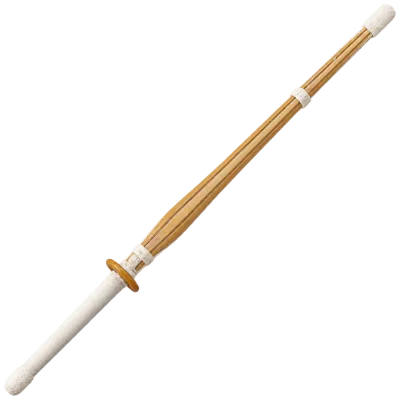
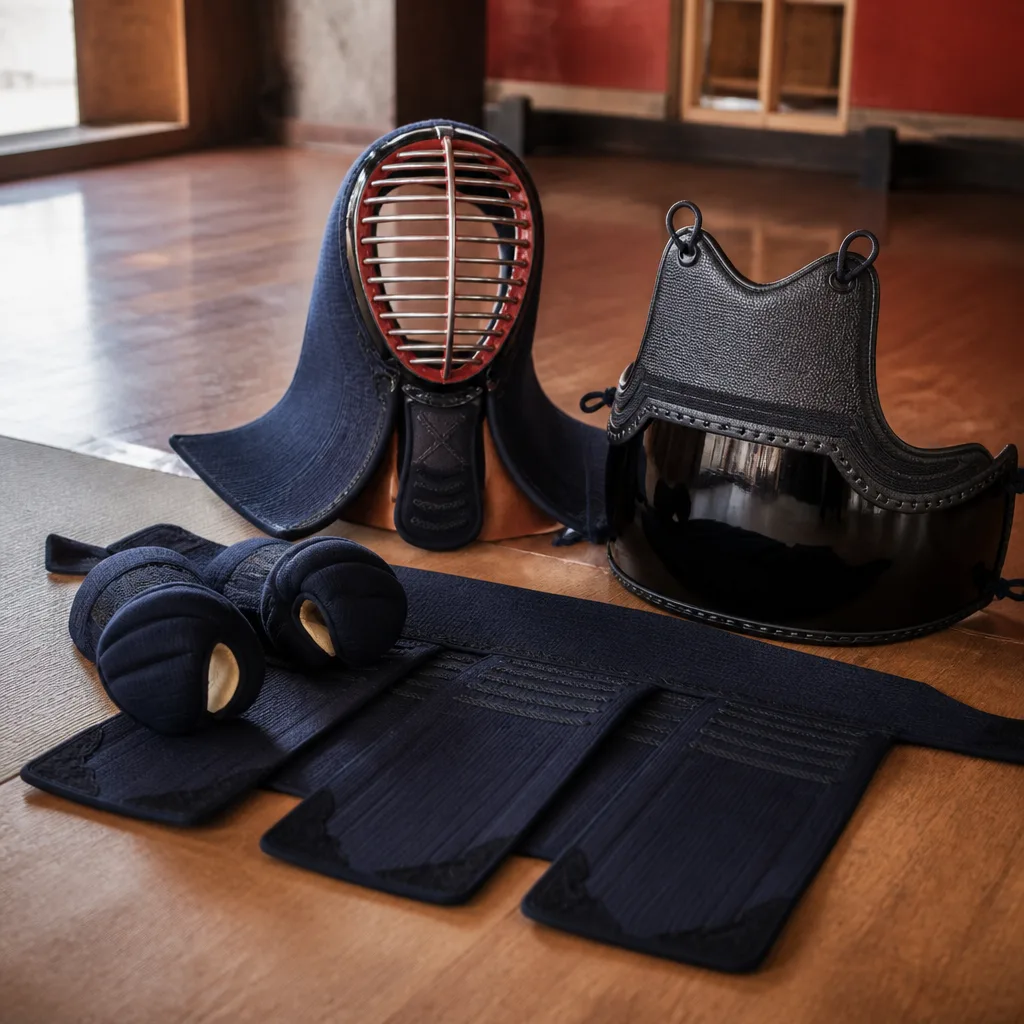
Kendo uses a full armour set called bogu, made up of four main pieces: the men, a helmet and face guard; the kote, padded gloves that protect the hands and wrists; the do, a chest protector; and the tare, a hip and groin protector made of thick padded strips. Bogu is generally introduced once a student has trained for a period without armour, learning correct posture, footwork and striking with a shinai first. Fit is particularly important for the men, since a poorly fitted helmet can restrict vision or breathing, and for the kote, which need to allow a firm but comfortable grip on the shinai. See the kendo equipment guide for a full walkthrough, and the kendo bogu glossary entry.
 Matching productShinaiAmazon →
08
Sizing protective gear correctly
Protective gear that does not fit correctly can be worse than no gear at all, since it can shift out of position at the moment it is needed. As a general approach, measure the relevant body part in centimetres, such as hand circumference for gloves or lower leg length for shin guards, and compare this against the maker's own size chart rather than assuming sizes are consistent across sellers. Where an item is meant to fit snugly, such as a groin guard or mouthguard, prioritise secure fit over comfort alone, since a loose fit compromises the protection it is meant to offer.
| Item | Measure | Fit goal |
|---|---|---|
| Gloves | Hand circumference, weight in oz for boxing and MMA | Snug with room for a hand wrap, no pinching at the wrist |
| Shin guards | Lower leg length, calf circumference | Full coverage without pinching at knee or ankle |
| Head guard | Head circumference | Secure around crown and cheeks, clear vision |
| Chest protector or hogu | Chest and torso circumference | Covers collarbone to waist without restricting arms |
 Matching productBo staffAmazon →
09
Hygiene and care
Protective gear is worn close to the skin and often shared or stored in a bag between sessions, so hygiene matters. Mouthguards should be rinsed after every use and occasionally cleaned with a mild solution recommended by the maker. Gloves, shin guards and head guards should be wiped down and air dried after training rather than packed away damp, since trapped moisture encourages odour and bacterial growth. Removable liners, where available, should be washed regularly. Kendo bogu should be aired out fully after each session, since its padded construction holds moisture longer than lighter gear.
10
When protective gear is required
Requirements differ by school, art and format. As a general pattern, technique classes without contact rarely require protective gear beyond a mouthguard in some schools, light sparring often introduces gloves, shin guards and a mouthguard, and full sparring or competition typically requires the complete set appropriate to that art and federation. Always confirm current requirements with your instructor or the relevant federation before a class or event, since rules can change and vary by age group and weight class.
11
Frequently asked questions
Do I need protective gear as a complete beginner?
Usually not for basic technique classes. Most schools introduce protective gear gradually as sparring begins. Ask your instructor what is required and when.
How often should I replace protective gear?
This depends on frequency of use and wear, particularly padding that compresses and closures that weaken over time. Check gear regularly for flattened padding, torn straps or damaged stitching.
Can I use karate hand mitts for boxing?
No. Boxing gloves are padded and shaped differently from open palm hand mitts and are built for a different type of impact. Use gear designed for your specific art and format.
Is a mouthguard really necessary for light sparring?
Many schools require a mouthguard even for light contact, since even controlled sparring carries some risk of accidental contact. Follow your instructor's rules.
Why does kendo use armour when other arts do not?
Kendo involves full speed strikes with a shinai to specific target areas, so bogu is designed specifically to allow safe full contact practice within the rules of the art.
 Matching productBoxing glovesAmazon →
Explore
Read next
 Martial Arts and Their Equipment: A Complete OverviewAn overview of the martial arts covered on budoshop.com and the uniforms, protective gear and training weapons each one typically uses.
 Martial Arts Equipment Buying GuideA practical, step by step guide to buying the right martial arts equipment for your art and level, from your first uniform to protective ge…
 Uniforms and Belts ExplainedA guide to how gi, dobok and hakama are constructed, what federations allow, and how belt colours and grading systems work across schools.