
6 min read
Kendo equipment guide: shinai, bogu and keikogi explained
Understand shinai sizing, the four pieces of kendo armour and how to look after your keikogi and hakama.
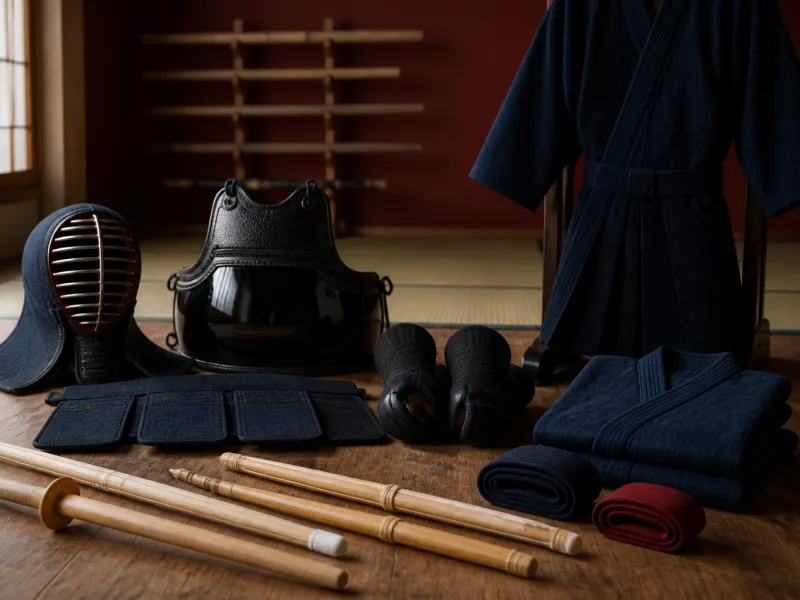
Kendo is the way of the sword practised with a bamboo shinai and protective armour called bogu. New students are often surprised by how much equipment is involved, and by how personal a good fit becomes once training gets serious. This guide walks through the shinai, the four pieces of bogu, the keikogi and hakama worn underneath, and the basic care that keeps everything usable for years.
None of the equipment needs to be expensive to be correct. What matters most is size, fit and the condition of the leather and bamboo, since worn or oversized gear is both uncomfortable and, in the case of a cracked shinai, a real safety risk.
01
Shinai: sizes by age and grade
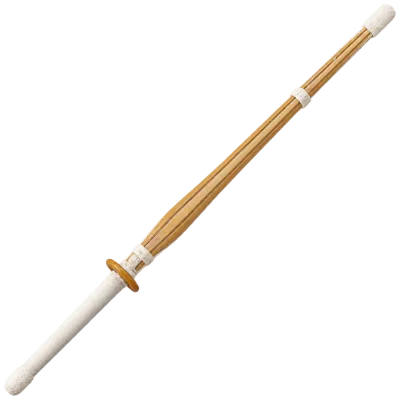
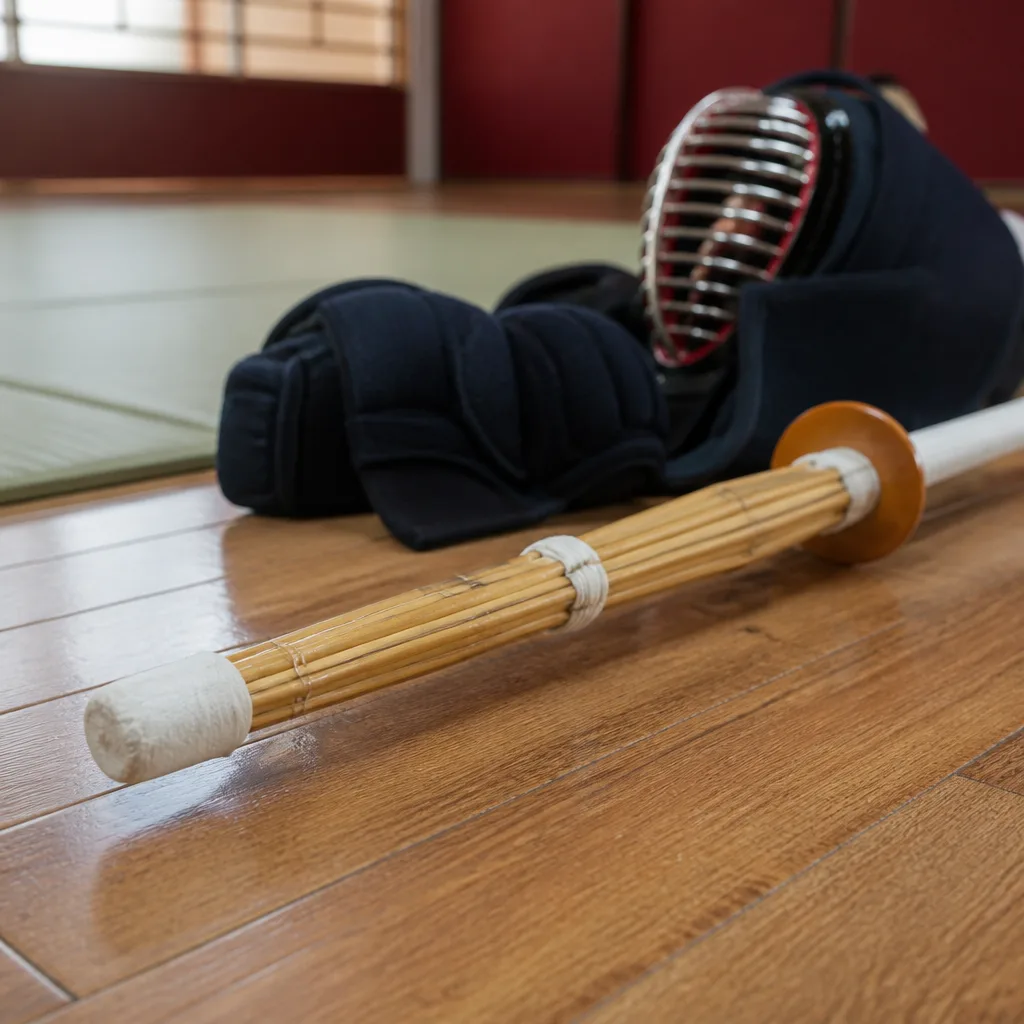
The shinai is made of four bamboo slats (or a durable carbon composite in some training versions) held together by a leather or synthetic tip cap, a hand guard called tsuba, and a leather grip at the handle called tsuka. Length and weight are matched to the practitioner's age and, at competition level, to federation rules set out by bodies such as the FIK (International Kendo Federation).
Shinai are measured in shaku and sun, a traditional Japanese length unit, but modern price lists and size charts almost always give the length in centimetres as well. The table below shows commonly used ranges for training. Always check your dojo's own guidance, since some schools use slightly different cut off ages.
| Approximate age | Shinai length | Typical use |
|---|---|---|
| Under 10 years | around 87 to 90 cm | children's training shinai, lighter weight |
| 10 to 12 years | around 93 to 96 cm | junior training |
| 13 to 15 years | around 100 to 111 cm | junior to youth training |
| Adult women | up to about 117 cm | standard adult length, lighter permitted weight |
| Adult men | up to about 120 cm | standard adult length |
A shinai that is too long or too heavy for the practitioner slows technique and strains the wrists and shoulders. Before every session, check the bamboo slats for splinters and cracks, and confirm the string (tsuru) and leather fittings are secure. A damaged shinai should be repaired or retired, never used as is.
 Matching productShinaiAmazon →
02
Bogu: the four armour pieces at a glance
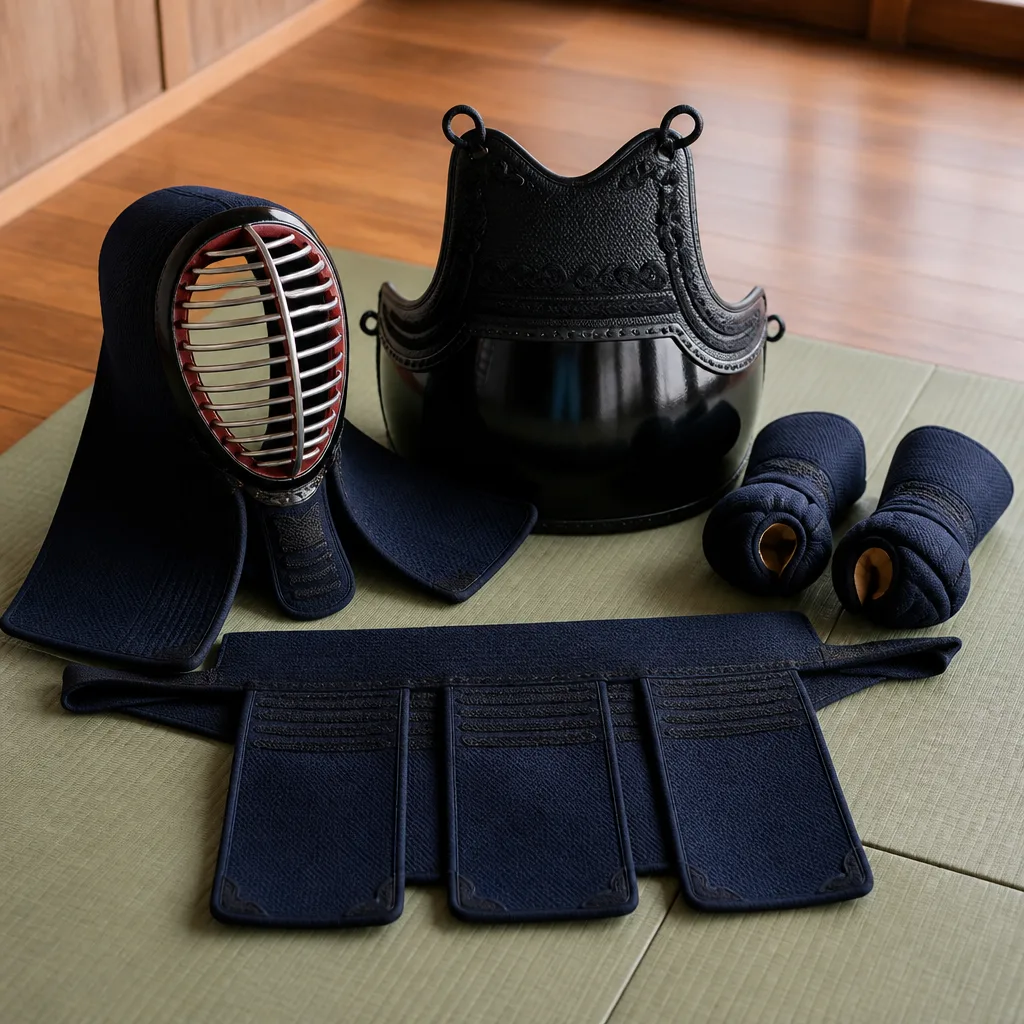
Bogu is the collective term for the kendo armour: men (head and throat), kote (gloves), do (chest protector) and tare (waist and hip protector). Together they allow full contact strikes to specific target areas while keeping the risk of injury low. Bogu is typically introduced once a beginner has learned basic footwork, posture and striking without armour, so there is no need to buy a full set on the first day of training. See our beginners' first gear guide for a sensible order of purchase.
 Matching productBo staffAmazon →
03
Men: head and throat protection
The men covers the head, face and throat, with a metal or resin grille called the men-gane protecting the face while leaving a clear line of sight. Inside the men, a padded cotton towel (tenugui) is wrapped around the head both for hygiene and for cushioning. Sizing is usually done by head circumference and by the depth of the face opening, and a good men should sit snugly without pressing painfully on the forehead or jaw when the cords (men-himo) are tied.
Because the men touches the face directly, hygiene matters. Ideally the tenugui is a personal item, washed after every session, while the men itself is aired out and never left damp in a bag.
04
Kote: gloves for the hands and wrists
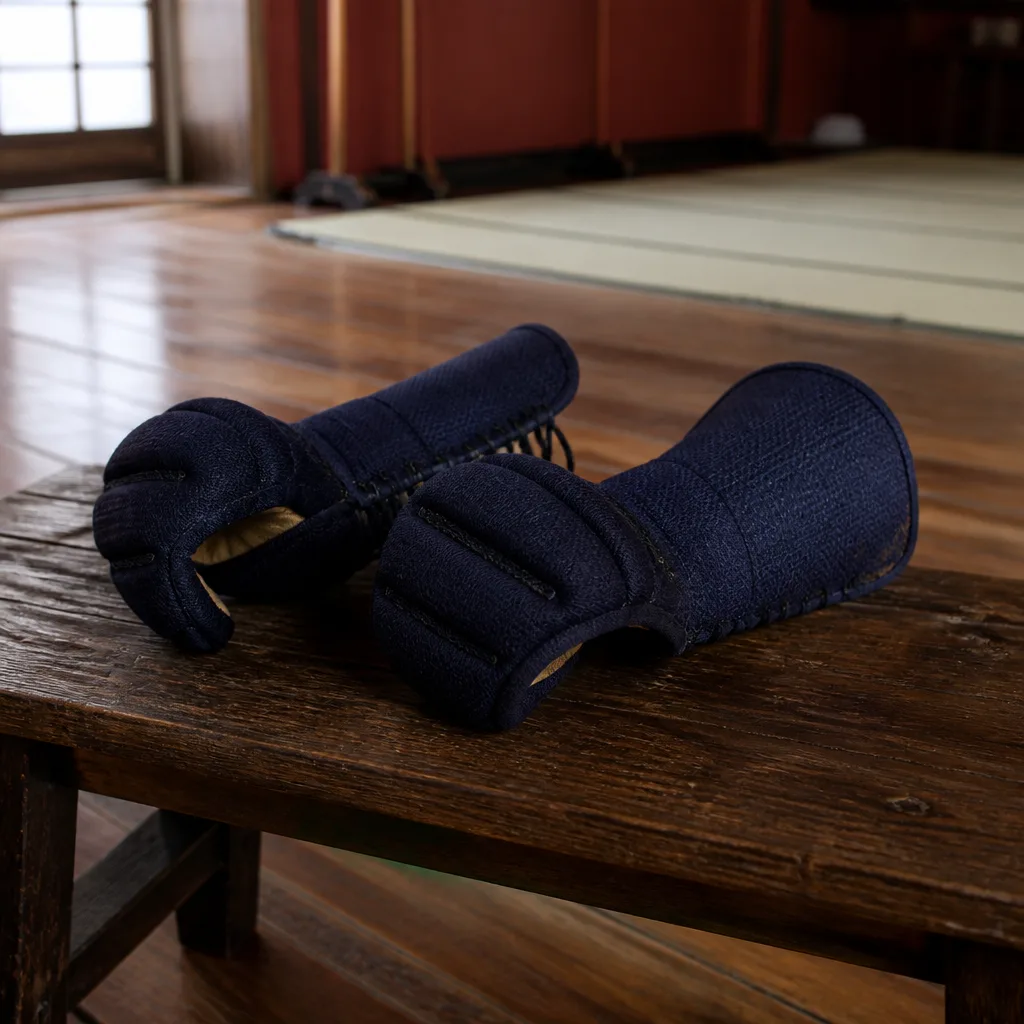
Kote are thickly padded gloves that protect the hands, wrists and forearms, the target areas for strikes to the wrist. They need to be snug enough to keep good control of the shinai while still allowing the wrists to flex for correct technique. A kote that is too loose will twist during a strike, while one that is too tight restricts movement and causes blisters.
The palm side of the kote is usually a softer material, such as deerskin or a synthetic equivalent, to keep grip feel while the shinai handle rotates in the hand. This inner palm wears out faster than the padded outer shell, so it is worth checking periodically for thinning or holes.
 Matching productShin guardsAmazon →
05
Do: the chest protector
The do protects the torso and is struck directly during men, kote, do and tsuki practice. Traditional do are built from bamboo strips lacquered and laced together, while many training versions use a moulded resin or fibreglass shell with a similar lacing pattern. Sizing is based on chest width and torso length, and the shoulder straps (do-himo) should be adjusted so the do sits centred on the chest without shifting during movement.
06
Tare: waist and hip protector
The tare is worn around the waist and consists of a stiffened belt with hanging panels (tare-obi) that protect the hips and lower abdomen, and it also carries a name plate on the front centre panel in most dojo. It is tied at the front and should sit low enough to protect the hip area without restricting the bend needed for footwork. Because the tare is close to the body for the whole session, breathable materials and a well finished edge binding make a noticeable difference in comfort.
 Matching productMartial arts beltAmazon →
07
Keikogi and hakama for kendo
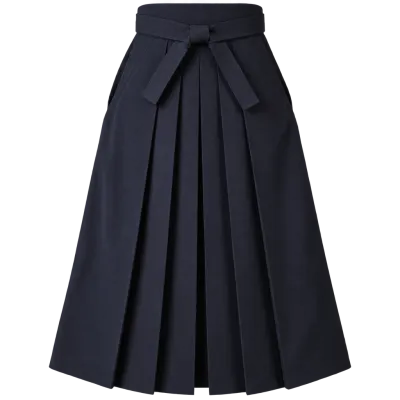
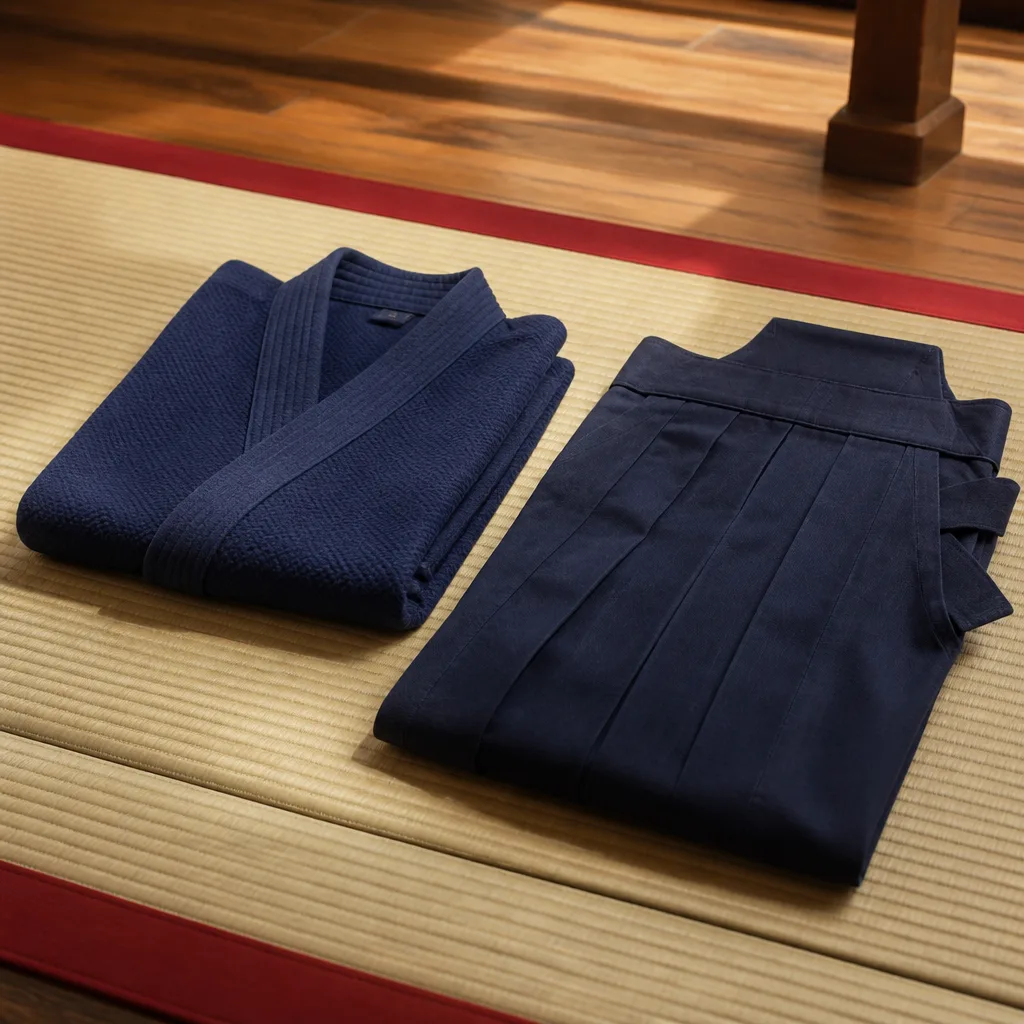
Underneath the bogu, kendo practitioners wear a keikogi (training jacket) and a hakama, the wide pleated trousers also used in aikido and iaido. Kendo keikogi are usually a heavier, densely woven cotton than a typical karate gi, since they need to cushion the body under the armour and absorb sweat over long sessions. For guidance on choosing and fitting the hakama itself, including sizing by height and how to fold it, see our dedicated hakama guide.
 Matching productHakamaAmazon →
08
Caring for your kendo equipment
Bogu is an investment worth protecting. After training, open the men and do fully and let them air dry away from direct heat or sunlight, since damp leather and lacquer can crack or grow mould. Wipe down leather fittings with a soft, slightly damp cloth and avoid soaking them. The keikogi and any removable inner padding should be washed regularly following the guidance in our gi care and washing guide, which covers general washing and shrinkage advice that applies to heavy cotton training wear.
Store the full set in a well ventilated bogu bag rather than a sealed plastic container, and periodically inspect stitching, lacing and cords for wear before they fail during training.
 Matching productSports detergentAmazon →
09
Frequently asked questions
How do I know if a shinai is too long for me?
As a general guide the shinai should reach from the floor to roughly armpit height when stood upright next to you, and your dojo's size chart or instructor can confirm the exact length allowed for your age and grade.
Do I need a full bogu set as a complete beginner?
No. Most dojo teach footwork, posture and basic strikes without armour first, and bogu is introduced gradually, often starting with kote, once fundamentals are established.
Can I use a synthetic do and men instead of traditional bamboo and leather?
Yes, many training sets today use durable synthetic materials that are lighter, easier to clean and more resistant to moisture, and these are widely accepted for regular practice.
How often should I replace my shinai?
Bamboo shinai should be checked before every session and replaced or repaired as soon as cracks, splinters or a loose tip cap appear, since a failing shinai can break during contact.
What size hakama do I need for kendo?
Hakama are generally sized by height rather than waist measurement, and our hakama sizing guide gives typical length ranges to use as a starting point.
Explore
Read next
 Martial Arts and Their Equipment: A Complete OverviewAn overview of the martial arts covered on budoshop.com and the uniforms, protective gear and training weapons each one typically uses.
 Martial Arts Equipment Buying GuideA practical, step by step guide to buying the right martial arts equipment for your art and level, from your first uniform to protective ge…
 Uniforms and Belts ExplainedA guide to how gi, dobok and hakama are constructed, what federations allow, and how belt colours and grading systems work across schools.