
6 min read
Gi care and washing: keeping your uniform in shape
A practical guide to washing temperatures, drying, stain removal, odour control and belt care so your training uniform lasts.
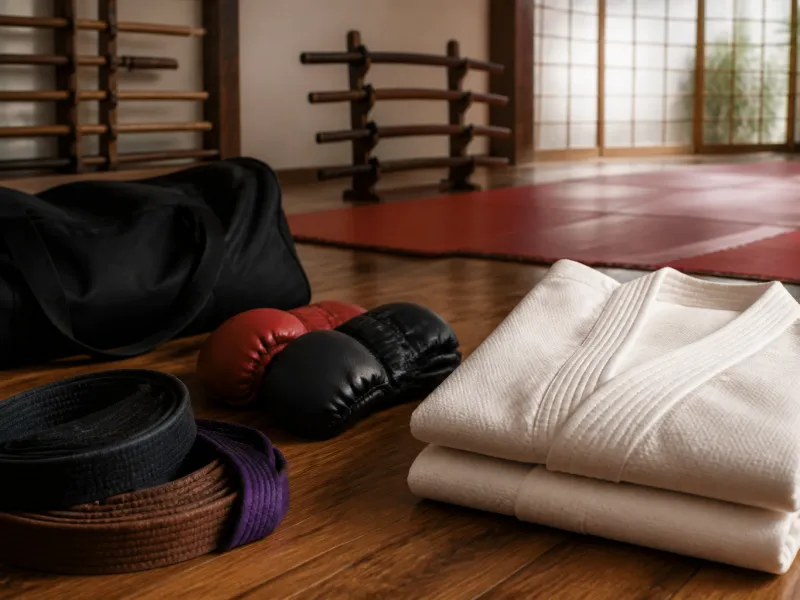
A well cared for uniform lasts for years of hard training, while one that is washed and dried carelessly can shrink, fade, weaken at the seams or simply become unpleasant to wear within a few months. Whether you train in a karategi, judogi, BJJ gi or dobok, the fabric is a heavy woven cotton or cotton blend that responds well to a routine, but poorly to shortcuts.
This guide walks through washing temperatures, drying, odour control, stain treatment, belt care and storage, so your gear stays presentable and functional for as long as possible. For sizing and expected shrinkage before you even buy, see our gi sizing and shrinkage guide.
01
Washing temperatures
Most cotton gis are washed best at 30 to 40 degrees Celsius (roughly 86 to 104 degrees Fahrenheit) on a normal or gentle cycle. Hot water above 60 degrees Celsius speeds up shrinkage, especially in the first few washes, and can dull white fabric over time. Cold washing at 20 to 30 degrees Celsius is the gentlest option and is a reasonable choice once a gi has already shrunk to its final size and simply needs cleaning.
Heavier competition weight jackets, often between 450 and 750 gsm, hold water for a long time, so a full spin cycle helps shorten drying time without damaging the fabric. Coloured gis, including blue judogi or coloured BJJ gis, should be washed separately from white ones for the first several washes, since some dye can transfer even with colourfast fabric.
 Matching productSports detergentAmazon →
02
Drying without damage
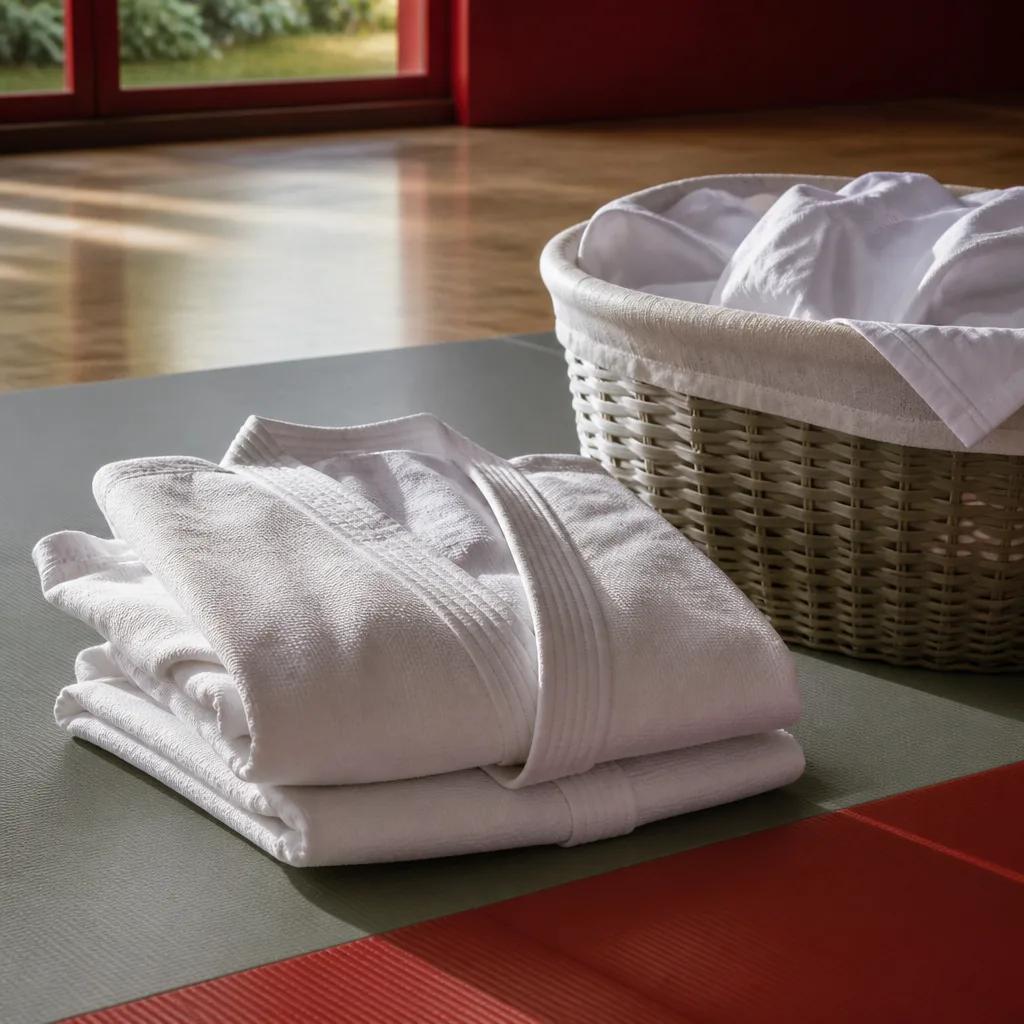
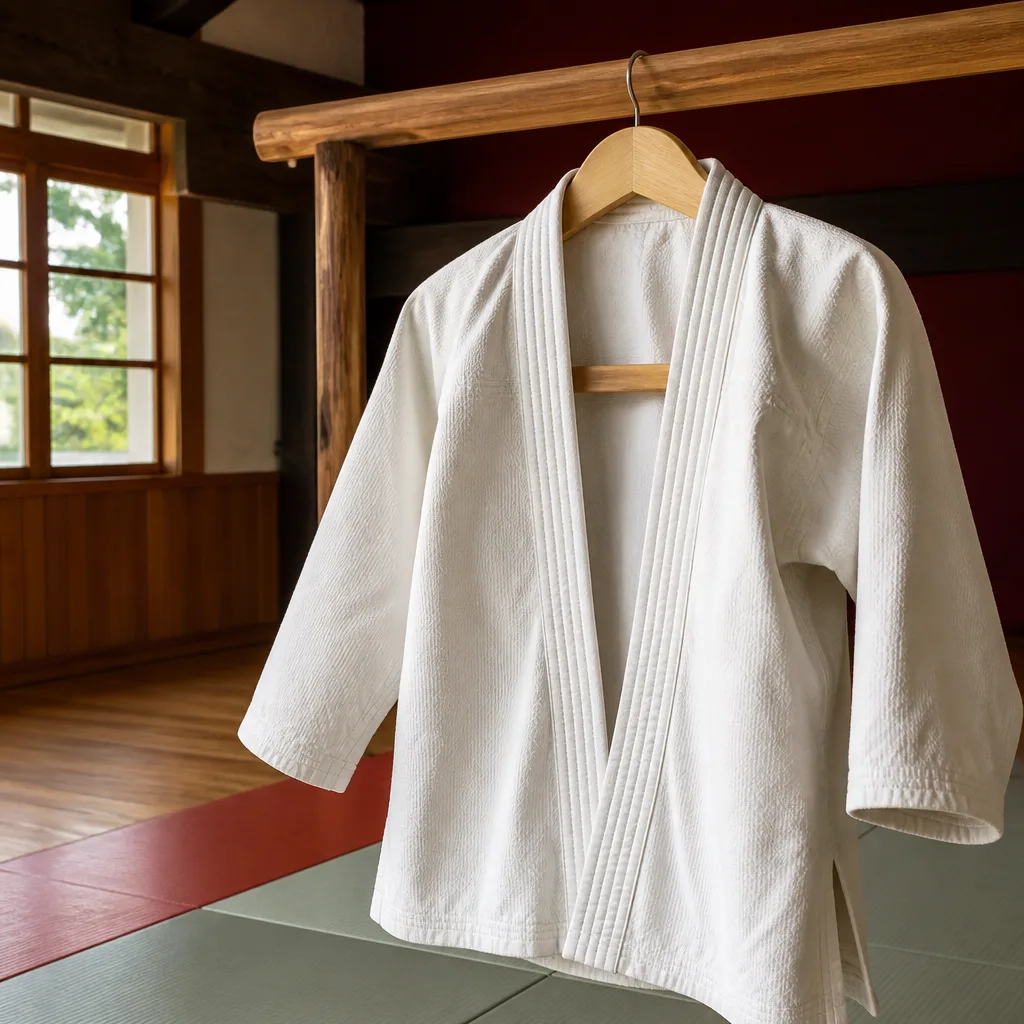
Air drying on a wide, sturdy hanger or a flat rack is the safest method for any uniform. It avoids the high heat that causes most shrinkage and keeps the weave from becoming stiff or brittle. Hanging the jacket by the shoulders rather than folding it over a thin line also helps it keep its shape.
Tumble drying is faster but is the main cause of unwanted shrinkage after the first wash. If you do use a dryer, a low heat setting and removing the gi while still slightly damp reduces the effect considerably. Direct sunlight can bleach coloured fabric and, over many sessions, weaken cotton fibres, so a shaded spot outdoors or an indoor drying rack is preferable to a sunny balcony rail.
03
Preventing and removing odour
Training sweat combined with a warm, damp gi bag is the most common cause of persistent odour. The single most effective habit is to take the gi out of the bag and hang it to air as soon as you get home, rather than leaving it folded and damp until the next wash day.
A short soak of 15 to 30 minutes in cool water with a normal detergent before the main wash helps lift trapped sweat from the thicker weave. Adding a cup of white vinegar to the rinse occasionally can help with lingering odour, and baking soda worked into the fabric before washing can do the same. Fabric softener is best avoided on training uniforms, since it coats the fibres and can reduce their durability and grip over time.
 Matching productHeavy bagAmazon →
04
Stains and how to treat them
Grass stains, blood spots from a minor nosebleed, and general grime from a mat or dojo floor are the most common marks on a training uniform. Treat stains as soon as possible: rinse the area with cold water first, since hot water can set a blood stain permanently, then apply a small amount of detergent directly to the mark and gently work it in before the normal wash.
A mild diluted bleach solution can be used sparingly on plain white cotton for stubborn marks, but it should never be used on coloured fabric, embroidered patches or belts, and frequent use will weaken any cotton fabric over time. Chlorine bleach in particular can degrade the fibres of an IJF approved or WKF approved competition jacket faster than the fabric would otherwise wear.
| Problem | Recommended approach | To avoid |
|---|---|---|
| General sweat odour | Air dry immediately after training, wash within a day or two | Leaving a damp gi sealed in a bag |
| Blood or grass stain | Cold rinse first, then spot treat with detergent | Hot water before the stain is treated |
| Shrinkage after washing | Wash at 30 to 40 degrees Celsius, air dry | Hot wash combined with high heat tumble drying |
| Fabric going grey or dull | Wash whites separately, avoid overloading the machine | Mixing dark and light gis in one load |
| Weakening fibres | Use bleach sparingly and only on plain white cotton | Regular chlorine bleach use |
 Matching productMartial arts beltAmazon →
05
Belt care and washing myths
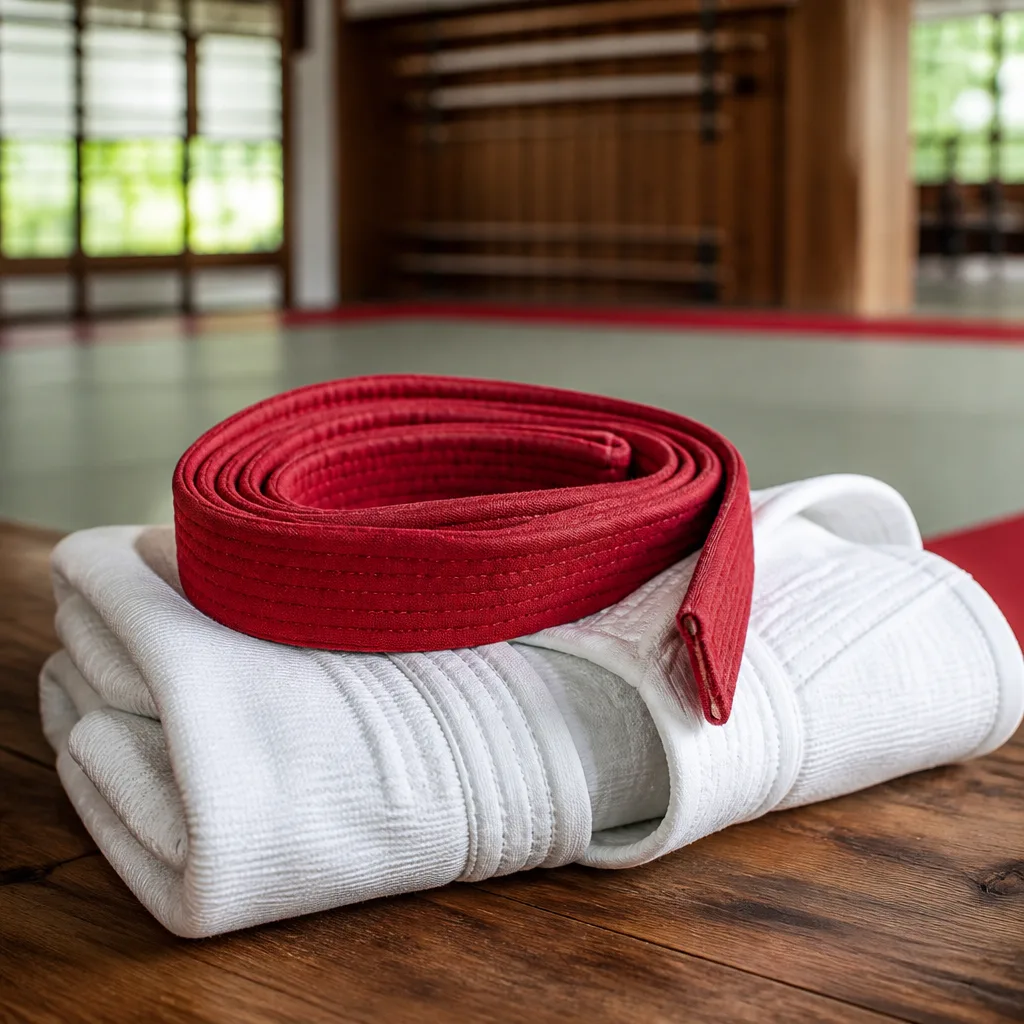
A widely repeated idea in many dojo is that an obi should never be washed at all, since it is thought to hold the memory of a practitioner's training. This is a cultural tradition rather than a fabric requirement, and different schools and individual instructors treat it differently, so it is worth following the guidance of your own dojo on this point rather than a general rule.
From a purely practical standpoint, most belts are cotton wrapped around a stiffening core, and repeated washing can cause the layers to separate, the colour to fade unevenly, or the stitching to loosen faster than normal wear alone would cause. If a belt needs cleaning for hygiene reasons, a quick wipe with a damp cloth and air drying is gentler than a full machine wash. Full details on belt structure and tying are covered in our belt guide and tying instructions.
06
Storage between sessions
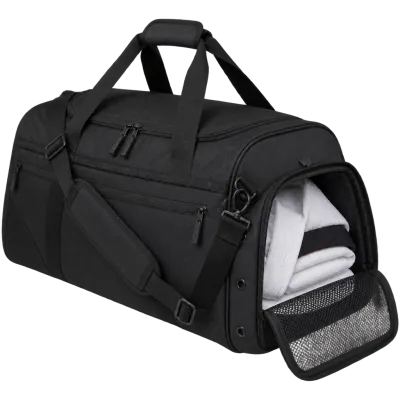
Between training sessions, a folded gi stored in a well ventilated bag or open shelf keeps its shape and avoids trapping moisture. A gi bag with mesh panels allows some airflow even before you have a chance to hang the uniform up properly, which reduces the chance of mildew developing during travel or a busy week.
Long term storage, for example over a break from training, is best done with the gi completely dry and folded loosely rather than compressed tightly for months, since permanent creases can weaken the fabric along the fold lines.
 Matching productGym bagAmazon →
07
How long a gi should last
With regular care, a well made training uniform typically lasts one to several years of consistent training, depending on frequency, the intensity of grip based training such as judo or BJJ, and how it is washed and dried. Lighter karategi used mainly for kata and light kumite tend to outlast heavier judogi or BJJ gis that are gripped, pulled and thrown against constantly.
Signs that a uniform is reaching the end of its useful life include thinning fabric at the collar and cuffs, stitching that repeatedly comes loose despite repair, and a jacket that no longer meets the dimensions required for grading or competition after repeated shrinkage and stretching cycles. For a first uniform and what else to prepare alongside it, see our first gear guide for beginners.
 Matching productJudogiAmazon →
08
Frequently asked questions
Can I wash a judogi and karategi together?
If both are a similar colour and weight, washing them together is generally fine. Keep white and coloured uniforms in separate loads, especially for the first few washes of a new coloured gi.
Is it normal for a new gi to shrink after the first wash?
Yes, most cotton uniforms shrink somewhat in the first one to three washes before settling close to their final size. This is why many practitioners buy a size slightly larger than their exact measurement, as covered in our sizing and shrinkage guide.
What is the safest way to remove a strong odour quickly before a class?
Air drying in a well ventilated space is the most reliable method. A brief airing outdoors, away from direct sunlight, combined with a light dusting of baking soda that is later shaken out, can help when there is no time for a full wash.
Should belts ever be machine washed?
Many practitioners avoid machine washing belts because the internal stiffening layers can separate and the colour can fade unevenly. A damp cloth wipe is a gentler alternative, and it is worth checking what your own dojo recommends.
Does ironing a gi cause any harm?
A cool iron on cotton can help remove deep creases before grading or competition, but high heat can scorch the fabric or affect embroidered patches, so a lower setting and a cloth barrier are safer choices.
 Matching productKarate giAmazon →
Explore
Read next
 Martial Arts and Their Equipment: A Complete OverviewAn overview of the martial arts covered on budoshop.com and the uniforms, protective gear and training weapons each one typically uses.
 Martial Arts Equipment Buying GuideA practical, step by step guide to buying the right martial arts equipment for your art and level, from your first uniform to protective ge…
 Uniforms and Belts ExplainedA guide to how gi, dobok and hakama are constructed, what federations allow, and how belt colours and grading systems work across schools.