
6 min read
Beginners' first gear: what you actually need to start
What to buy first for karate, judo, BJJ, taekwondo, boxing and kendo, what can wait, and how to borrow gear as a beginner.
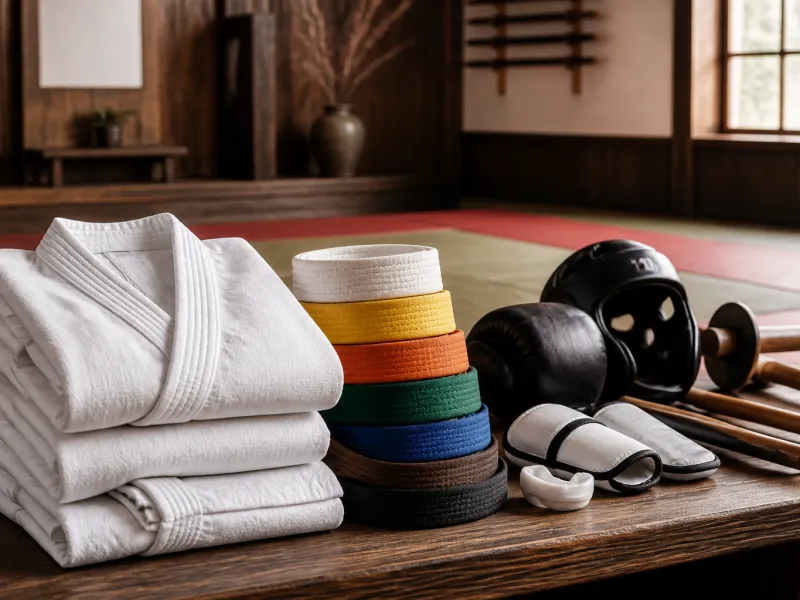
Starting a new martial art can feel overwhelming when it comes to equipment, since every club seems to have its own list of what is required and every art has different priorities in the first month. In general, the honest answer is that you need far less than most equipment lists suggest, and it is entirely normal to borrow or wait before buying anything beyond the essentials.
This guide covers what each major art actually needs to start, what can reasonably wait, and how to approach borrowing gear and setting a sensible budget without focusing on specific prices or brands. For the uniform itself, see our art specific guides such as the karate gi guide or BJJ gi guide.
01
What you actually need in the first month
Almost every art requires comfortable, loose fitting clothing you can move in, and most clubs will let you train in a plain t-shirt and shorts or joggers for the first several sessions before asking you to invest in a uniform. Striking arts such as karate, taekwondo and kickboxing usually expect a mouthguard fairly early once light contact sparring begins, while grappling arts such as judo and BJJ prioritise a properly fitted gi once you move beyond a trial period, since the uniform is used constantly for grips and technique.
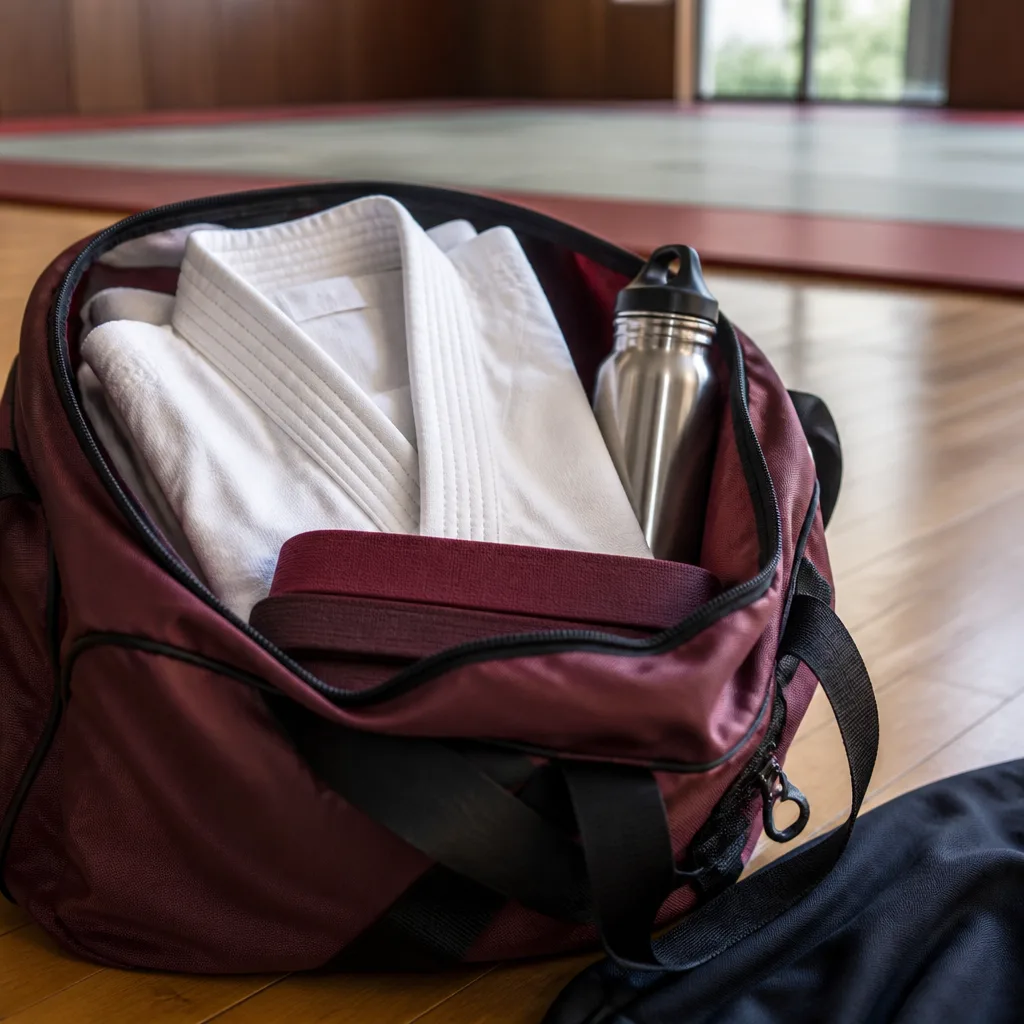
A water bottle, a small towel and a bag to carry everything in round out what most beginners genuinely need in the opening weeks, regardless of the art.
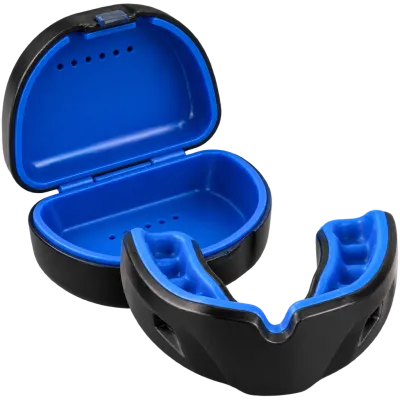 Matching productMouthguardAmazon →
02
Art by art starting priorities
| Art | Needed early | Can usually wait |
|---|---|---|
| Karate | Training clothing, later a karategi | Coloured belt (issued at grading), sparring gloves until contact begins |
| Judo | A judogi once past the trial period | Competition weight jacket, specialised judo shoes |
| BJJ | A BJJ gi or, for no gi classes, a rash guard and spats | A second gi, competition patches |
| Taekwondo | Training clothing, later a dobok | Sparring gear until contact sparring starts |
| Boxing or kickboxing | Hand wraps, training gloves | Mouthguard and shin guards until sparring begins |
| Kendo or iaido | Loose training clothing | Bogu armour, shinai, or a bokken, which many clubs lend early on |
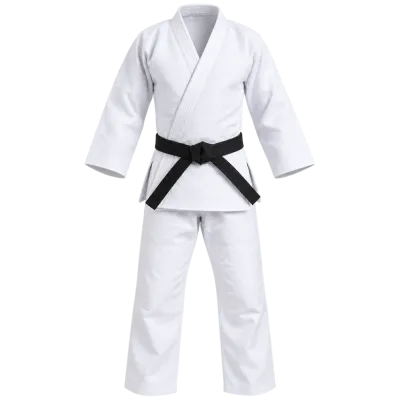 Matching productJudogiAmazon →
03
Uniforms: when to buy
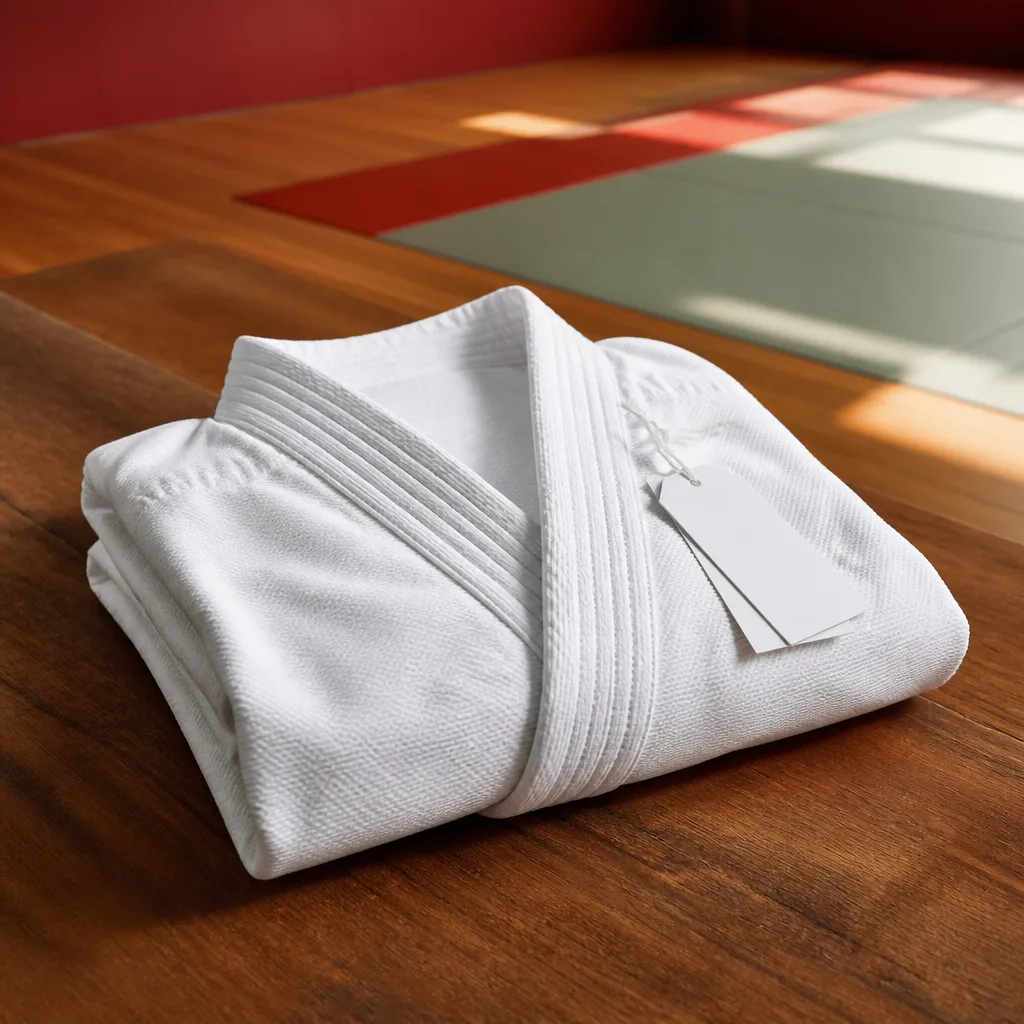
Most clubs have a trial period, often several weeks to a couple of months, before expecting a new student to buy a uniform. This period lets you confirm the art suits you before spending on gear, and it also gives your instructor a chance to advise on sizing in person rather than guessing from measurements alone. Once you do buy, our sizing and shrinkage guide explains how to account for the shrinkage that happens over the first few washes.
It is worth asking your specific club before buying anything, since some schools require a particular cut, colour or patch placement that a generic uniform will not match.
04
Protective gear: what to wait on
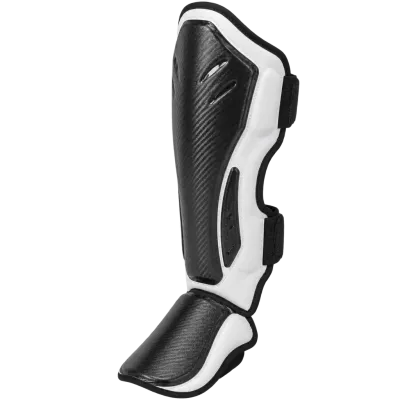
Protective equipment such as shin guards, head guards, sparring gloves and mouthguards is generally only needed once a class introduces contact sparring, which for many beginners is weeks or months after starting. Buying this gear too early, before you know the exact style of sparring your club practises, can mean buying the wrong type of glove or guard for how that club actually spars. Ask your instructor directly when contact work begins and what is specifically required, since requirements vary between schools even within the same art.
 Matching productShin guardsAmazon →
05
Borrowing and trying before buying
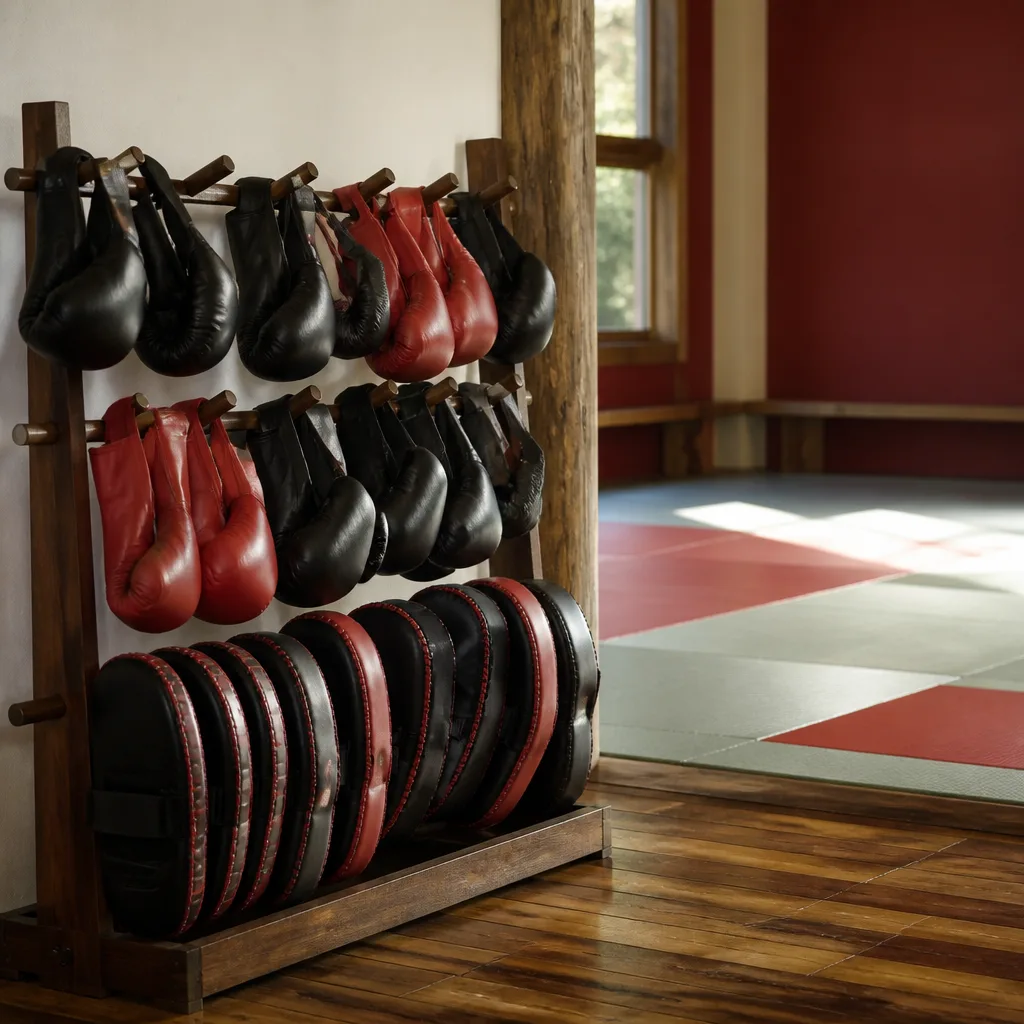
Many clubs keep a stock of loaner gis, gloves and pads specifically for new students, and asking about this directly is one of the most useful questions a beginner can ask on their first visit. Borrowed gear also gives you a chance to notice what fit and feel you actually prefer before committing to your own equipment.
Training partners are often willing to lend a spare mouthguard boiling kit or a second pair of hand wraps for a session or two, though items that go inside the mouth are the one clear exception, since a mouthguard should always be personal and properly fitted rather than shared.
 Matching productBo staffAmazon →
06
Setting a sensible budget
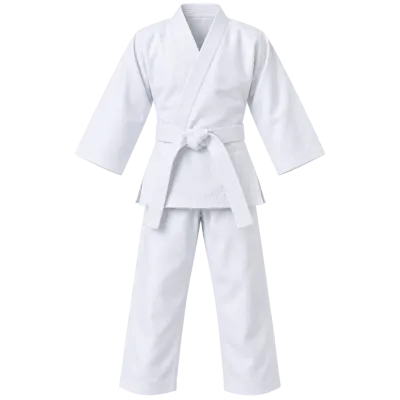
Rather than budgeting around specific prices, it helps to think in terms of priority order: comfortable training clothing first, a correctly sized uniform once you are committed to the art, then protective gear once contact training begins, and finally any extras such as a second uniform, a personal weapon, or a home training bag. Spreading purchases out over the first several months, rather than buying everything before the first class, avoids spending on gear you may not end up needing, whether because the art was not the right fit or because your club's specific requirements differ from generic advice.
For children starting out, sizing changes quickly, and our kids martial arts gear guide covers how to buy sensibly for a growing beginner.
 Matching productKids karate giAmazon →
07
Building a simple starter kit
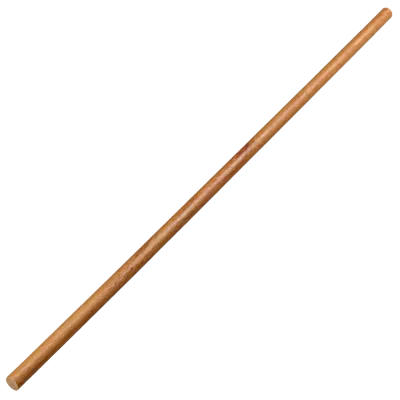
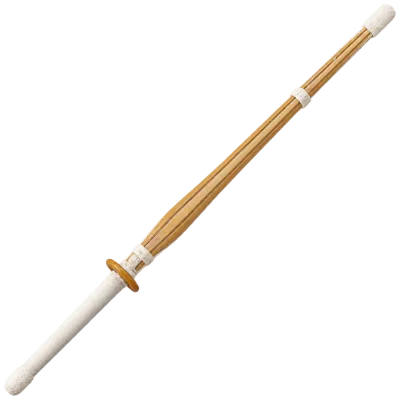
A workable order for most beginners looks like this: comfortable clothing you already own, a water bottle and small towel, then a correctly sized uniform once the trial period ends and the art feels like a good fit, followed by any art specific protective gear once your instructor confirms contact training is starting. Weapons based arts such as kendo or aikido usually have their own separate timeline, often lending equipment for a much longer initial period before a student buys a personal shinai, bokken or hakama, as covered in our weapons training guide.
It is worth resisting the urge to buy a complete kit in the first week purely out of enthusiasm. Instructors are used to seeing new students in borrowed or improvised gear, and arriving with comfortable clothing and a genuine willingness to learn matters far more in those early sessions than owning every piece of equipment a more experienced student might have.
 Matching productShinaiAmazon →
08
Questions worth asking your club directly
Every club sets its own specific requirements, so a short conversation with an instructor before buying anything often saves money and avoids buying the wrong item. Useful questions include whether the club has a required uniform colour, cut or patch placement, whether loaner gear is available during a trial period, when contact sparring typically begins for new students, and whether any particular type of equipment is required for grading or competition within that specific school.
Clubs affiliated with a particular federation, such as the IJF for judo, the WKF for karate, or the IBJJF for Brazilian Jiu-Jitsu, sometimes have specific uniform or protective gear requirements tied to grading or competition eligibility, so it is worth asking early if competing is part of your plans, even if only in the future.
09
Frequently asked questions
Do I need to buy a uniform before my first class?
Almost never. Most clubs are happy to have new students attend early sessions in plain training clothing while they decide if the art suits them.
How soon should I buy protective gear like a mouthguard or shin guards?
Only once your instructor confirms contact sparring is starting for you specifically, since the exact type of gear needed depends on how that club runs its sparring.
Is it worth buying a cheaper first gi before a better one later?
Many beginners do buy a simpler first uniform and upgrade later once they know they will continue with the art and understand their preferences for weight and cut.
Can I share protective gear with a training partner?
Most gear can reasonably be shared occasionally, but a mouthguard should always be individually fitted and never shared, for basic hygiene reasons.
What should I bring to a trial class if I own no equipment at all?
Comfortable, modest clothing that allows a full range of movement, a water bottle, and a small towel are enough for almost any first trial class.
Explore
Read next
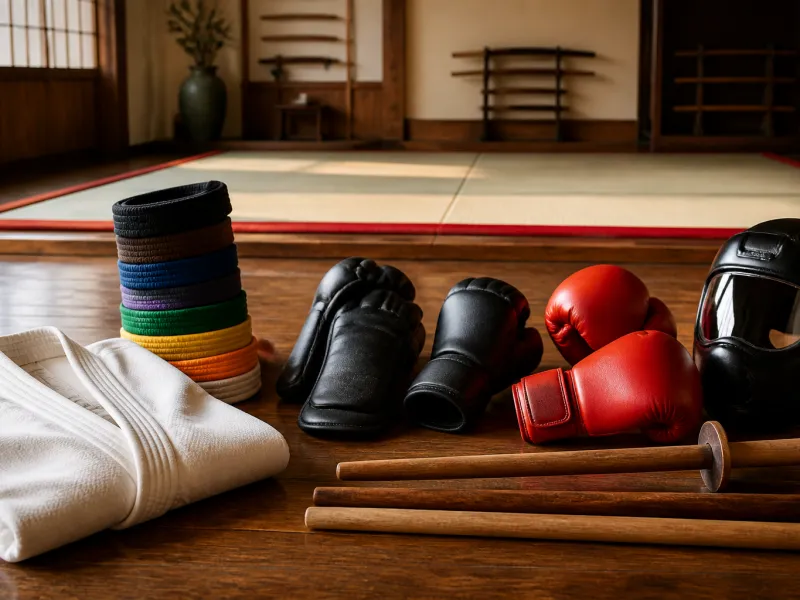 Martial Arts and Their Equipment: A Complete OverviewAn overview of the martial arts covered on budoshop.com and the uniforms, protective gear and training weapons each one typically uses.
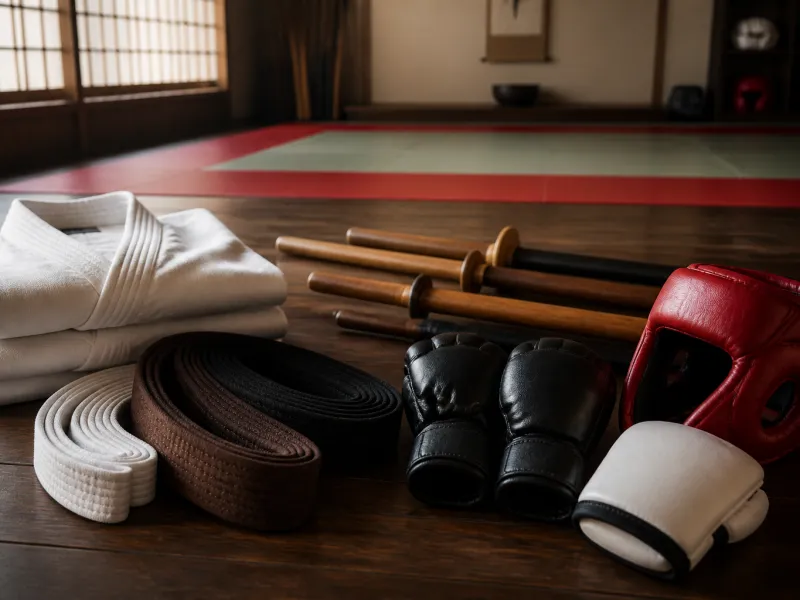 Martial Arts Equipment Buying GuideA practical, step by step guide to buying the right martial arts equipment for your art and level, from your first uniform to protective ge…
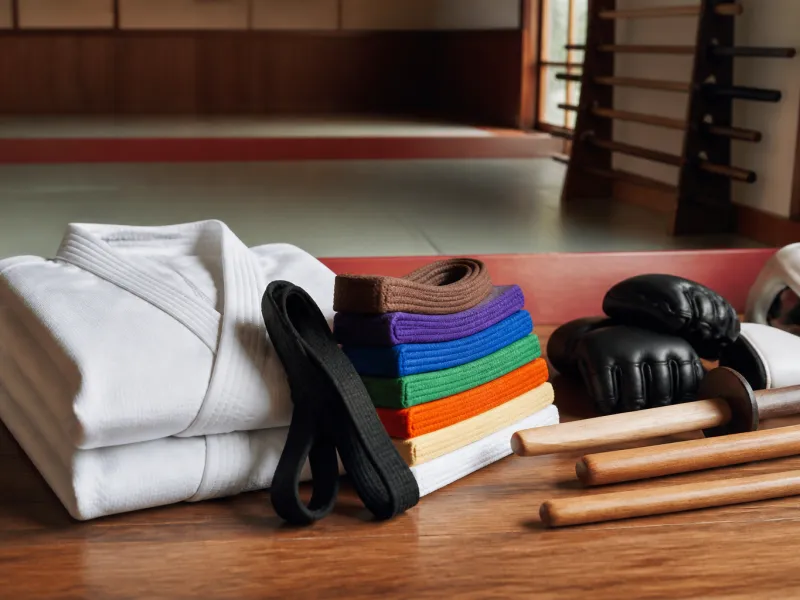 Uniforms and Belts ExplainedA guide to how gi, dobok and hakama are constructed, what federations allow, and how belt colours and grading systems work across schools.