
5 min read
BJJ Gi Guide: Fabric, IBJJF Rules and Sizing
How to choose a BJJ gi: fabric weaves, ripstop trousers, IBJJF rules on colour and fit, and A0 to A5 sizing.
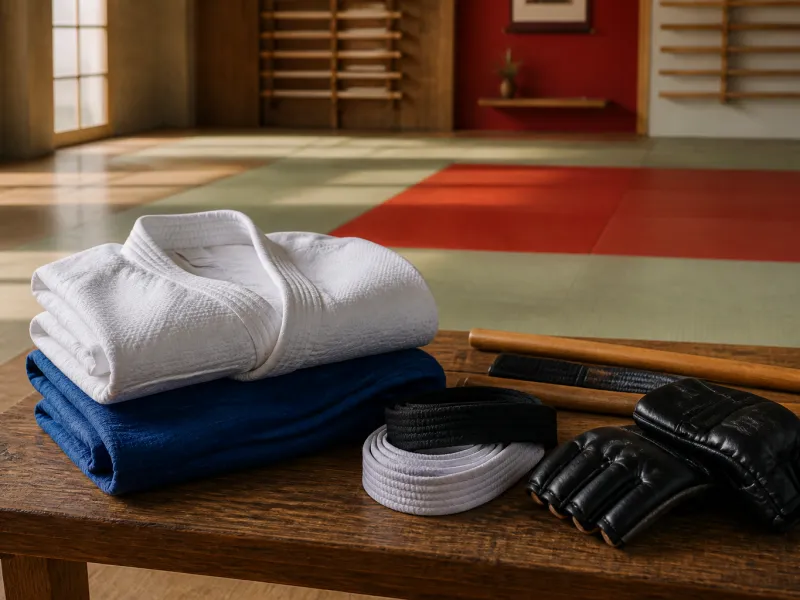
A Brazilian jiu jitsu gi, usually called simply a BJJ gi, has to survive relentless gripping, dragging and pulling on the mat while still moving freely enough for fast guard work and transitions. Fabric choice, fit and cut matter more in BJJ than in almost any other gi based art, and competition rules add a further layer to consider.
This guide explains pearl weave and gold weave fabrics, ripstop pants, IBJJF rules on colour and fit, the A0 to A5 sizing system, and how to manage shrinkage so your gi keeps fitting within the rules as you train.
01
What sets a BJJ gi apart
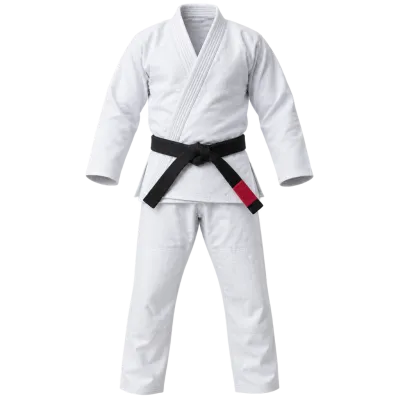
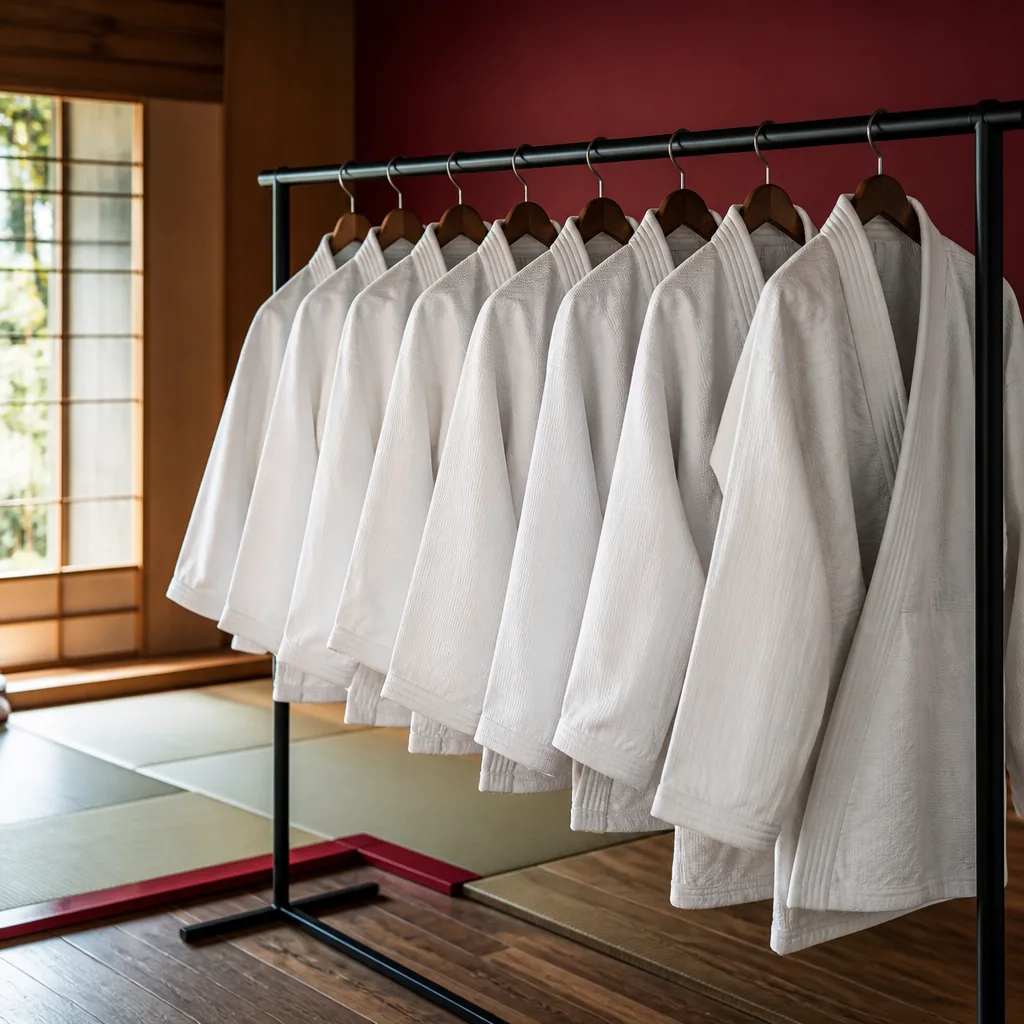
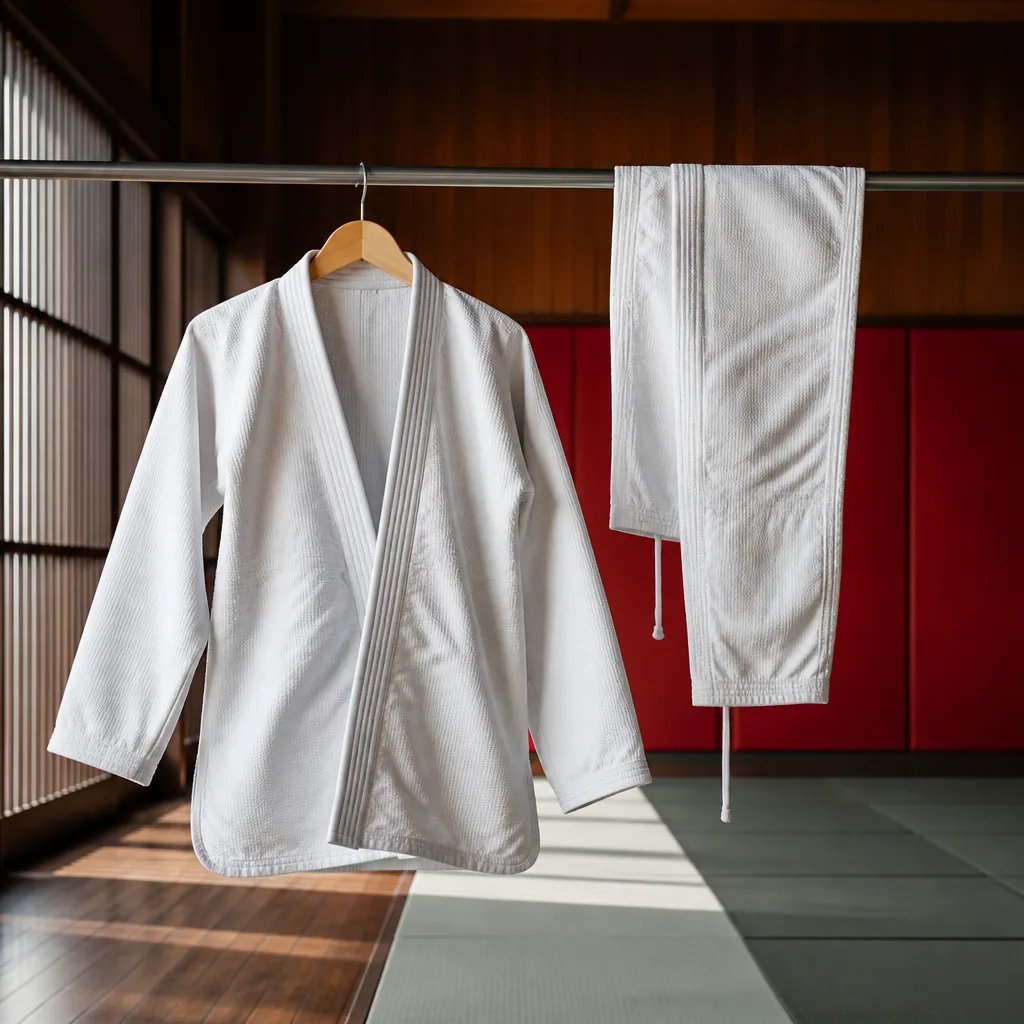
A BJJ gi shares the same basic jacket, trousers and belt layout as other gi, but the jacket is typically cut close through the torso, with a shorter, stiffer collar designed to resist being grabbed and controlled by an opponent. Trousers are reinforced at the knees and often made from a different, tougher fabric than the jacket, since ground based grappling puts far more strain on the legs than striking arts do.
 Matching productBJJ giAmazon →
02
Pearl weave and gold weave fabrics
Jacket fabric in BJJ is usually described by weave type rather than a simple weight figure alone, though weight still matters.
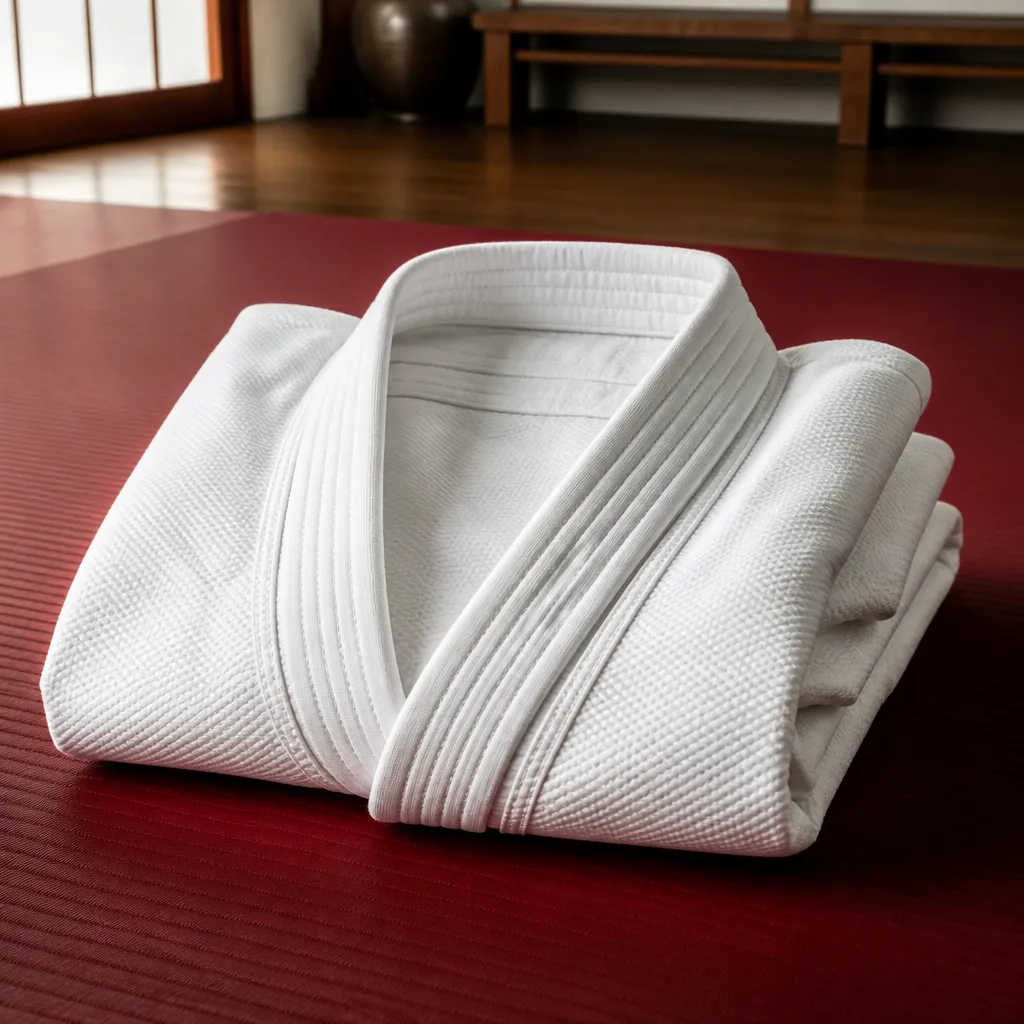
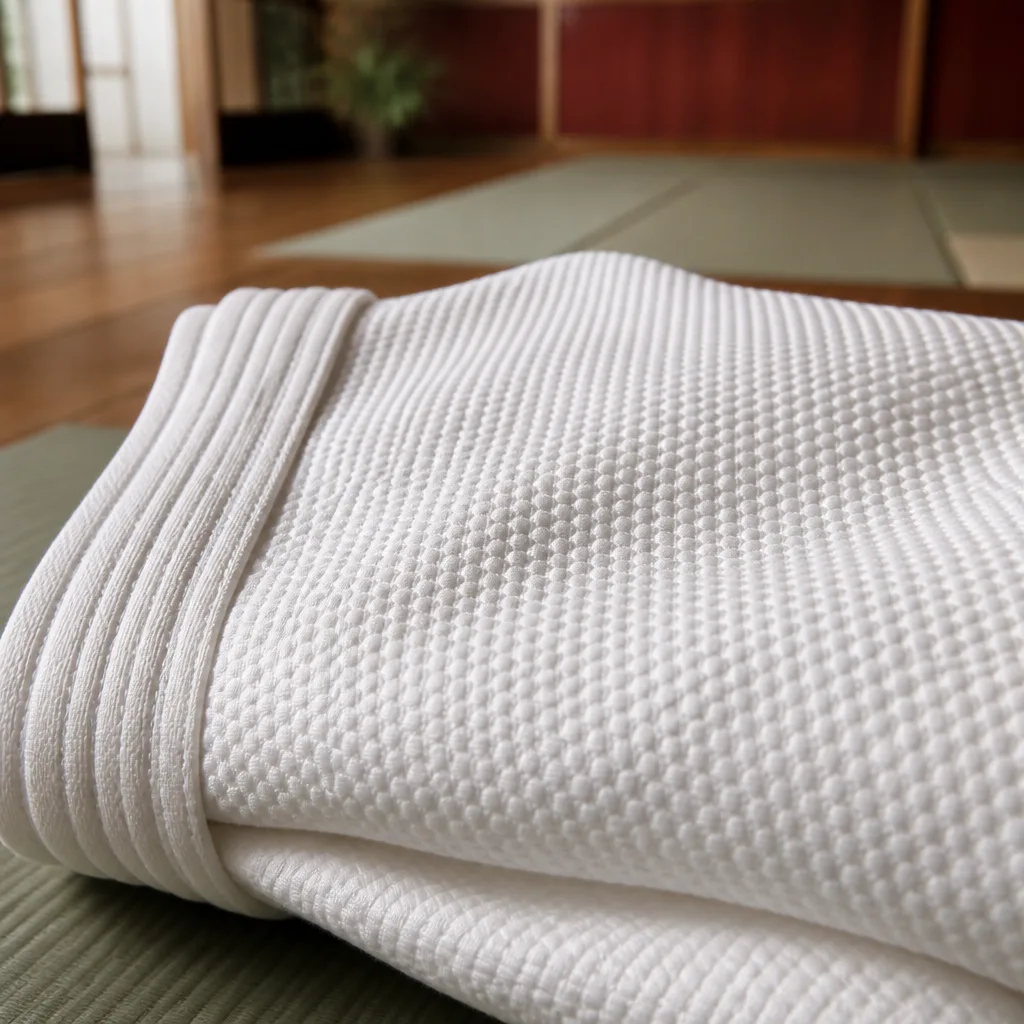
- Pearl weave is the most common modern BJJ jacket fabric. It uses a grid like weave that gives a good balance of light weight, breathability and resistance to tearing, and it is harder for an opponent to get a deep, secure grip on than a smooth weave.
- Gold weave is a heavier, tightly packed fabric that gives a very stiff, durable jacket. Gold weave gi resist grips well and hold their shape, but they are warmer, heavier and slower to dry than pearl weave.
- Single weave gi, lighter again than pearl weave, are common in budget and children's gi, trading some durability for a lower cost and easier break in period.
03
Ripstop pants
While jackets get most of the attention, trousers matter just as much. Many BJJ gi pair a woven jacket with ripstop trousers, a lightweight fabric woven with a reinforcing grid pattern that resists tearing under the twisting, pulling stress of guard passing and leg locks. Ripstop trousers are lighter, cooler and dry faster than traditional woven cotton trousers, which is why they have become the standard choice for most modern BJJ gi, particularly in competition.
04
IBJJF rules on colour and fit
Competitors training toward IBJJF sanctioned tournaments need a gi that meets the federation's competition standards, which cover both colour and fit closely. Approved gi colours at IBJJF events are limited, traditionally to white, blue and black, and the jacket, trousers and belt generally need to match in colour. The federation also sets detailed fit rules: the jacket sleeve must reach no further than the wrist bone when the arm is extended, with a defined maximum gap between sleeve and wrist, the jacket length must cover the hips, and trousers must reach no shorter than a set distance above the ankle.
| Rule area | General requirement |
|---|---|
| Jacket colour | Solid white, blue or black (check current event rules) |
| Sleeve length | Reaches wrist, with a maximum permitted gap when arm extended |
| Jacket length | Covers the hips |
| Trouser length | Reaches no shorter than a set distance above the ankle bone |
| Belt | Correct rank colour, tied with enough length to wrap twice and tie securely |
Because IBJJF rules are checked strictly at official weigh ins, and are reviewed from time to time, always confirm the current rulebook before a tournament rather than assuming last year's requirements still apply.
 Matching productMartial arts beltAmazon →
05
Sizing: A0 to A5
Adult BJJ gi are commonly sized using an A0 to A5 system, sometimes extended with A1L, A2L and similar labels for a longer cut at the same width, aimed at taller practitioners with a leaner build. Children's and youth gi typically use a separate size range. Because the A0 to A5 system is not identical across every brand, height and weight together give a more reliable starting point than the label alone.
| Size | Approx. height | Approx. weight |
|---|---|---|
| A0 | 150 to 165 cm | 50 to 65 kg |
| A1 | 165 to 175 cm | 60 to 75 kg |
| A2 | 175 to 180 cm | 75 to 90 kg |
| A3 | 180 to 188 cm | 85 to 100 kg |
| A4 | 188 to 193 cm | 95 to 115 kg |
| A5 | 193 cm and above | 110 kg and above |
An "L" or long variant of a given size keeps roughly the same body width but adds extra sleeve and trouser length, useful for a taller, leaner build that finds the standard cut too short in the limbs. Our gi sizing and shrinkage guide covers general sizing principles that apply across gi styles.
06
Shrinkage and staying within the rules
Because IBJJF and similar federations check sleeve and trouser length quite precisely, shrinkage is a real practical concern for competitors, not just a comfort issue. A jacket or trousers that shrink beyond the permitted tolerance can fail inspection at a tournament, even if the gi fit perfectly in training. Pearl weave and ripstop fabrics generally shrink less than plain cotton, but almost no gi is entirely shrink proof.
Washing on a cool cycle and air drying rather than tumble drying on high heat is the most reliable way to keep a gi within competition tolerances over its working life. If a gi has already shrunk close to the limit, some practitioners gently stretch damp fabric back into shape, though this only offers a small margin. See our gi care and washing guide for a full routine, and our belt guide for tying the belt that finishes the uniform.
 Matching productSports detergentAmazon →
07
Frequently asked questions
What is the difference between pearl weave and gold weave?
Pearl weave is lighter, more breathable and generally easier to grip resist while staying comfortable, and is the most common modern choice. Gold weave is heavier and stiffer, favoured by some practitioners for durability and grip resistance at the cost of warmth and dry time.
Why do BJJ trousers use ripstop fabric?
Ripstop is light, breathable and resists tearing under the twisting stress of ground grappling, which makes it more comfortable and practical for most trousers than heavier woven cotton.
What colours are allowed at IBJJF competitions?
Traditionally white, blue and black, with jacket, trousers and belt matching. Always confirm current requirements against the official rulebook before a specific event, since details are reviewed periodically.
How do I choose between A2 and A2L?
Both cover a similar body width, but the L version adds extra sleeve and trouser length. If your standard size fits well through the body but feels short in the arms or legs, the long version is usually the better choice.
Will my gi still fit competition rules after it shrinks?
It can fall out of tolerance if shrinkage is significant, particularly in sleeve and trouser length. Washing on cooler settings and air drying helps minimise this risk over the gi's working life.
Can I train in a judogi or karate gi for BJJ instead?
Some beginners start in whatever gi they already own, and light drilling is usually fine. For regular training and any competition, a purpose built BJJ gi fits the grappling game far better, since the collar, trouser reinforcement and overall cut are designed specifically for gripping, guard work and ground transitions rather than striking.
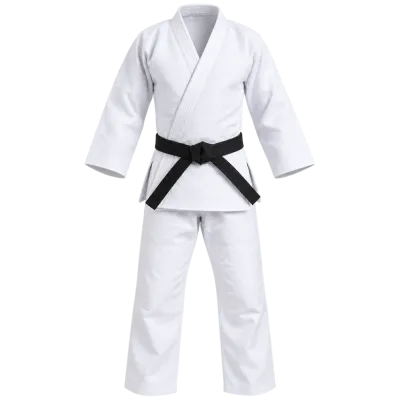 Matching productJudogiAmazon →
Explore
Read next
 Martial Arts and Their Equipment: A Complete OverviewAn overview of the martial arts covered on budoshop.com and the uniforms, protective gear and training weapons each one typically uses.
 Martial Arts Equipment Buying GuideA practical, step by step guide to buying the right martial arts equipment for your art and level, from your first uniform to protective ge…
 Uniforms and Belts ExplainedA guide to how gi, dobok and hakama are constructed, what federations allow, and how belt colours and grading systems work across schools.