
6 min read
A history of the martial arts: origins and founders
The documented origins of judo, karate, taekwondo, Brazilian Jiu-Jitsu, kendo and aikido, from Kano Jigoro to Ueshiba Morihei.
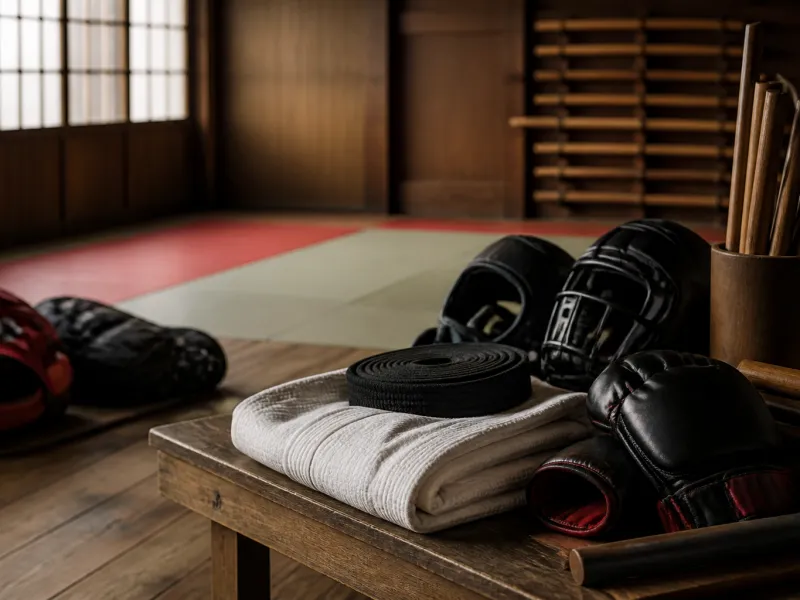
Understanding where an art comes from can add real depth to training, and it also explains why different styles emphasise different equipment, etiquette and grading systems. This overview covers the well documented origins of several major arts, based on established historical facts rather than legend, and is deliberately cautious where the historical record is less clear or where accounts differ between sources.
For terms used throughout this overview, our glossary covers Japanese and Korean vocabulary such as dojo and budo in more depth.
01
Judo: Kano Jigoro and 1882
Judo was founded in Japan by Kano Jigoro, who established the Kodokan school in Tokyo in 1882. Kano drew on techniques from older schools of jujutsu, refining and systematising them into a method he framed around physical education, mutual welfare and structured, progressive training rather than purely combat application. This grounding in educational principle is part of why judo was among the earlier martial arts to develop a formal kyu and dan grading system, later adopted in various forms by many other arts.
Judo's introduction to the Olympic Games, first for men in 1964 and later for women, helped establish it as one of the most internationally recognised combat sports, governed today by the International Judo Federation, commonly known by its abbreviation, IJF, which sets rules and competition equipment standards.
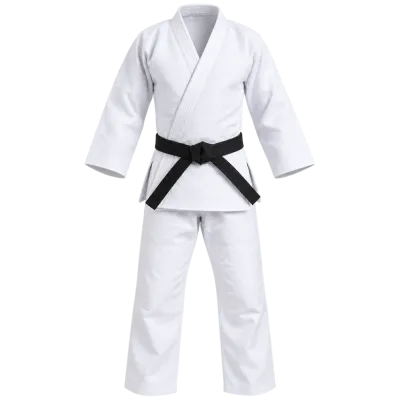 Matching productJudogiAmazon →
02
Karate: origins in Okinawa
Karate developed in Okinawa, then the Ryukyu Kingdom, through a blending of indigenous fighting traditions with influences from Chinese martial arts, arriving through trade and cultural contact over several centuries. The art was practised and taught in various local forms before being introduced more widely to mainland Japan in the early twentieth century, where it was further systematised and organised into the styles widely recognised today.
Different karate lineages developed distinct approaches to stance, striking and kata, and this diversity is still visible in the range of styles practised internationally, overseen in international competition contexts by bodies such as the World Karate Federation, commonly abbreviated as WKF.
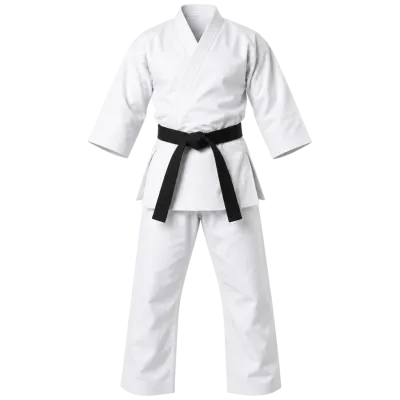 Matching productKarate giAmazon →
03
Taekwondo: twentieth century Korea
Taekwondo developed in Korea during the twentieth century, drawing on earlier Korean martial traditions alongside influences absorbed during a period of significant contact with other East Asian martial arts. Various schools using different names existed in the years following, and the term taekwondo itself, along with efforts to unify these schools under common standards, emerged more formally in the 1950s and 1960s.
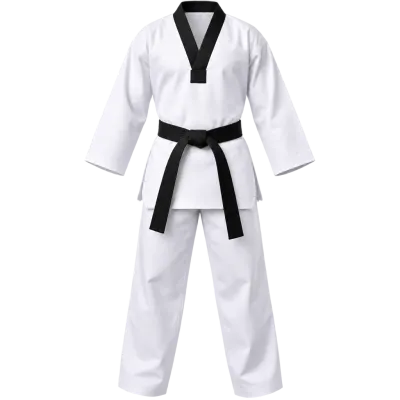
Taekwondo later became an Olympic sport, and organisations such as World Taekwondo now govern the sport's international competition rules, including the WT style uniform with its distinctive V-neck dobok, which differs from the cross over collar found in many other martial arts uniforms.
 Matching productTaekwondo dobokAmazon →
04
Brazilian Jiu-Jitsu: from judo through the Gracie family
Brazilian Jiu-Jitsu traces its roots to Japanese judo and jujutsu, brought to Brazil in the early twentieth century, most notably through the teaching of Mitsuyo Maeda, a judoka who travelled and taught extensively outside Japan. The Gracie family, particularly Carlos and Helio Gracie, are historically credited with adapting and developing this instruction into what became known as Brazilian Jiu-Jitsu, placing particular emphasis on ground based grappling and leverage based technique.
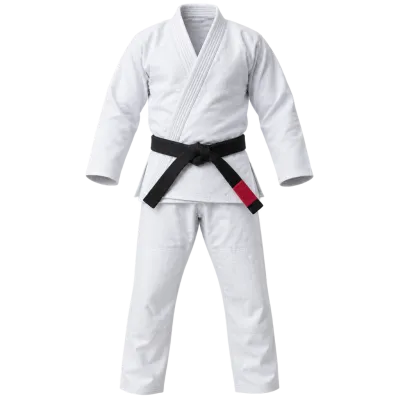
Brazilian Jiu-Jitsu grew substantially in international recognition from the 1990s onward, partly through the visibility of early mixed martial arts competitions, and is governed in major competition contexts today by organisations such as the International Brazilian Jiu-Jitsu Federation, commonly abbreviated as IBJJF, which sets rules including uniform requirements often referred to as being IBJJF legal.
 Matching productBJJ giAmazon →
05
Kendo: the way of the sword
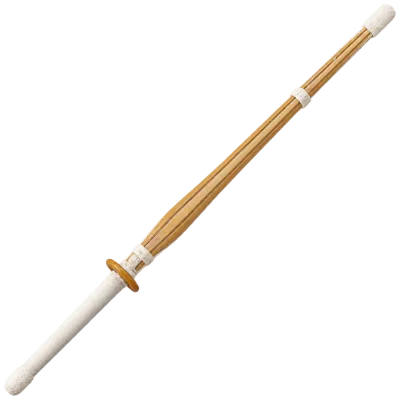
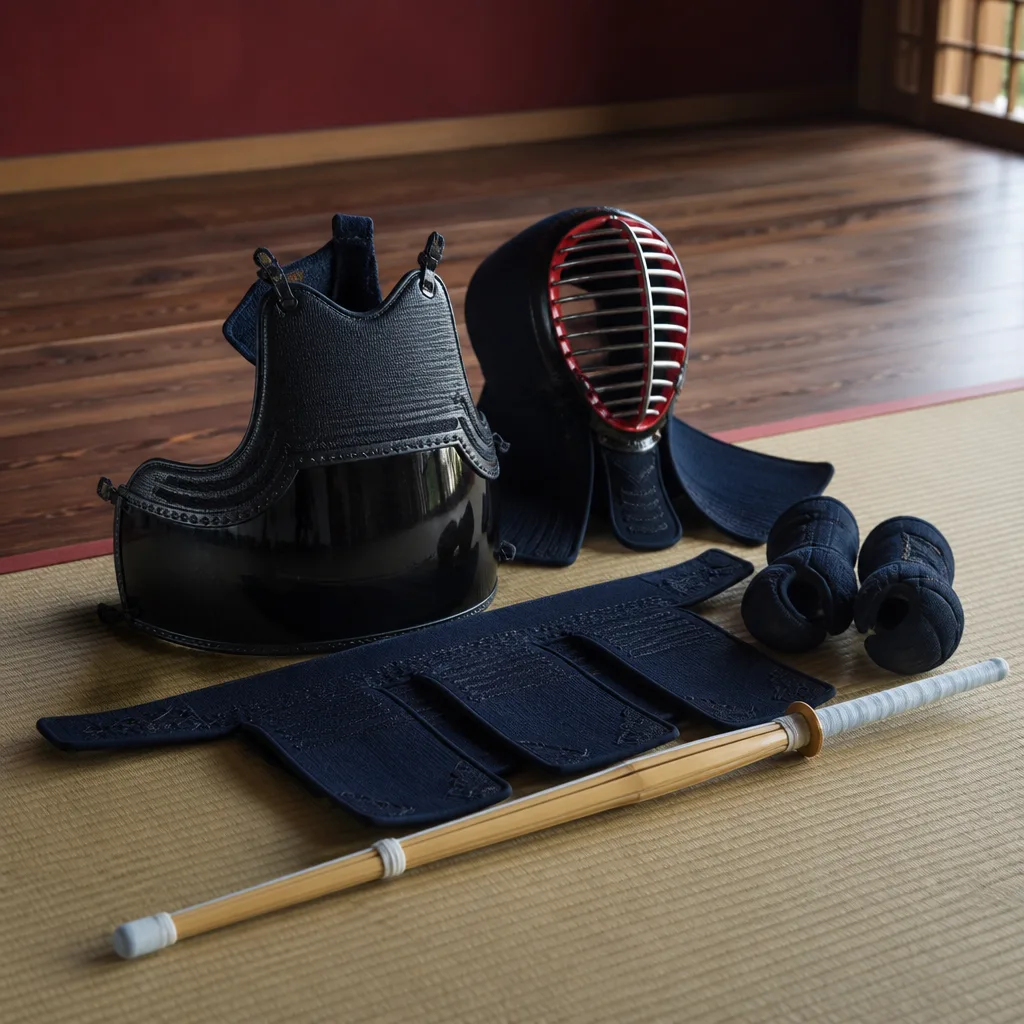
Kendo developed from older Japanese swordsmanship traditions, or kenjutsu, practised by samurai across earlier centuries. The use of the bamboo shinai and protective bogu armour, which allow full speed striking practice with a reduced risk of injury compared with a real or wooden blade, developed over time and became more standardised from the eighteenth century onward, eventually forming the basis of the modern sport as it is practised and organised today, including by the International Kendo Federation, commonly abbreviated as FIK.
Kendo retains a strong connection to its swordsmanship origins in its terminology, etiquette and equipment, distinguishing it in feel and structure from many empty hand striking or grappling arts.
 Matching productShinaiAmazon →
06
Aikido: Ueshiba Morihei
Aikido was developed by Ueshiba Morihei during the first half of the twentieth century, drawing significantly on his earlier training in Daito ryu aikijujutsu along with other martial influences he studied over his lifetime. Ueshiba's approach emphasised blending with and redirecting an opponent's movement and energy rather than meeting force directly with force, a principle reflected in aikido's characteristic circular, flowing technique.
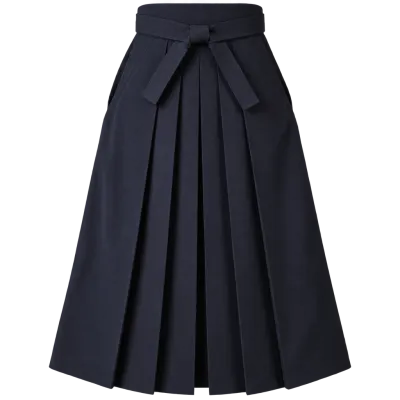
The hakama, a pleated garment worn over the dogi in aikido and several other arts, was traditionally associated with more advanced students in many schools, and its use and the traditions around it vary between different aikido organisations and instructors today. Our aikido hakama guide covers its structure and practical use in more detail.
 Matching productHakamaAmazon →
08
Timeline overview
| Art | Key historical point | Region of origin |
|---|---|---|
| Judo | Founded 1882 by Kano Jigoro | Japan |
| Karate | Developed over centuries, formalised in early 20th century | Okinawa, Japan |
| Taekwondo | Formalised and named in the 1950s to 1960s | Korea |
| Brazilian Jiu-Jitsu | Developed from judo, early 20th century onward | Brazil, via Japan |
| Kendo | Standardised from swordsmanship, 18th century onward | Japan |
| Aikido | Developed by Ueshiba Morihei, early to mid 20th century | Japan |
09
Frequently asked questions
Is judo the oldest of these arts?
Judo as a formally founded art dates to 1882, but it drew on much older jujutsu traditions. Karate and kendo both trace their roots to older, less formally documented practices in Okinawa and Japan respectively, so precise comparisons of age depend heavily on how each tradition is defined.
Did Brazilian Jiu-Jitsu come directly from karate?
No, Brazilian Jiu-Jitsu developed from Japanese judo and jujutsu, brought to Brazil in the early twentieth century and further developed there, most notably by the Gracie family. It is historically distinct from karate.
Why do some arts use a V-neck uniform and others a cross over collar?
Uniform design generally reflects each art's specific history and practical needs. The WT style taekwondo dobok's V-neck, for example, developed separately from the cross over collar common to judogi, karategi and BJJ gi, which share closer historical roots.
Are belt colour systems the same across all these arts?
No, kyu and dan grading concepts are widely shared, particularly among arts with roots in Japanese budo, but specific belt colours, requirements and the number of grades vary considerably between individual arts, schools and even between clubs within the same art.
Is there a single agreed history for every art covered here?
For more recent arts such as judo, taekwondo and Brazilian Jiu-Jitsu, key events and founders are relatively well documented. For older traditions such as early karate and kenjutsu, some details are less precisely recorded, and different schools sometimes describe their own lineage somewhat differently.
 Matching productMartial arts beltAmazon →
Explore
Read next
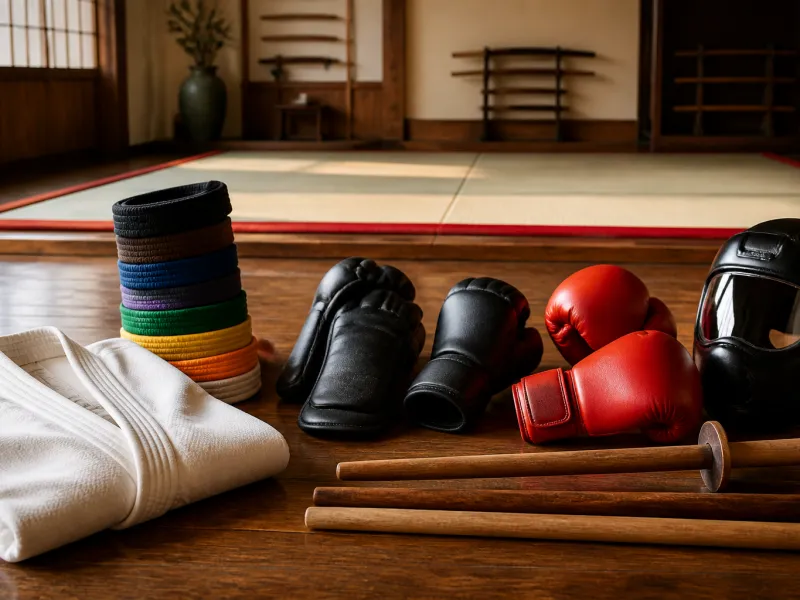 Martial Arts and Their Equipment: A Complete OverviewAn overview of the martial arts covered on budoshop.com and the uniforms, protective gear and training weapons each one typically uses.
 Martial Arts Equipment Buying GuideA practical, step by step guide to buying the right martial arts equipment for your art and level, from your first uniform to protective ge…
 Uniforms and Belts ExplainedA guide to how gi, dobok and hakama are constructed, what federations allow, and how belt colours and grading systems work across schools.